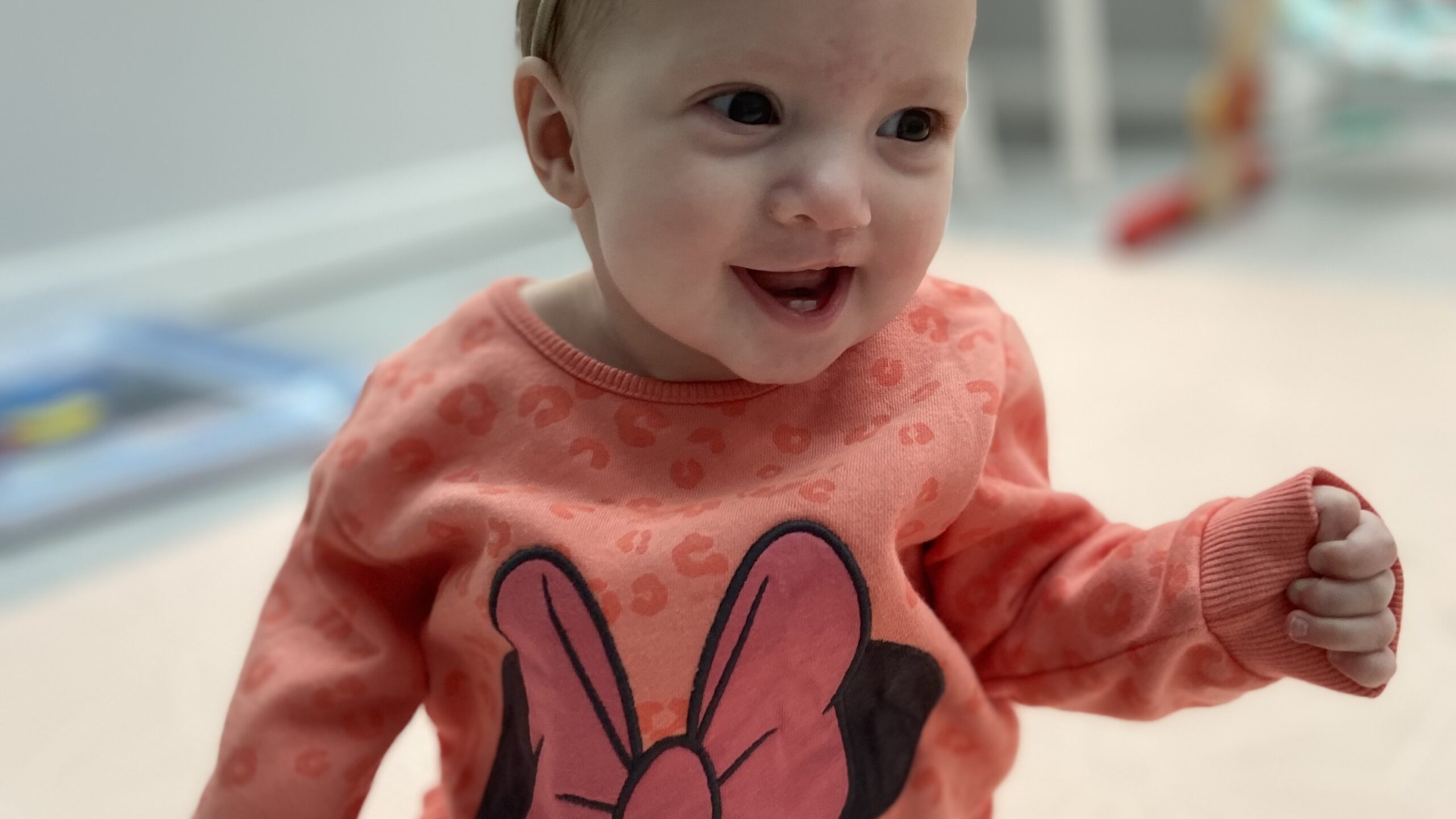
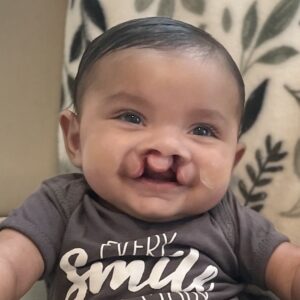
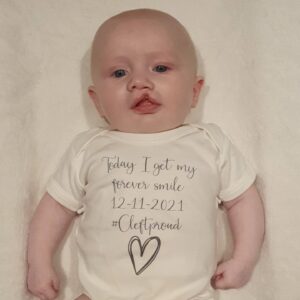
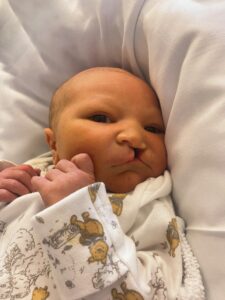
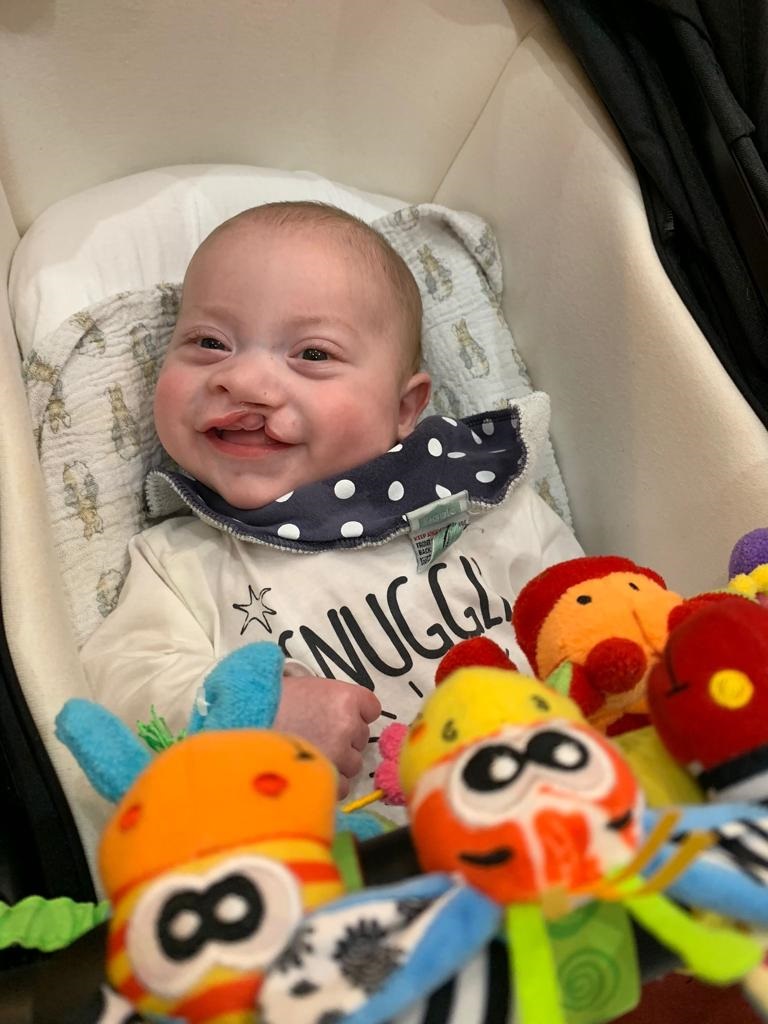
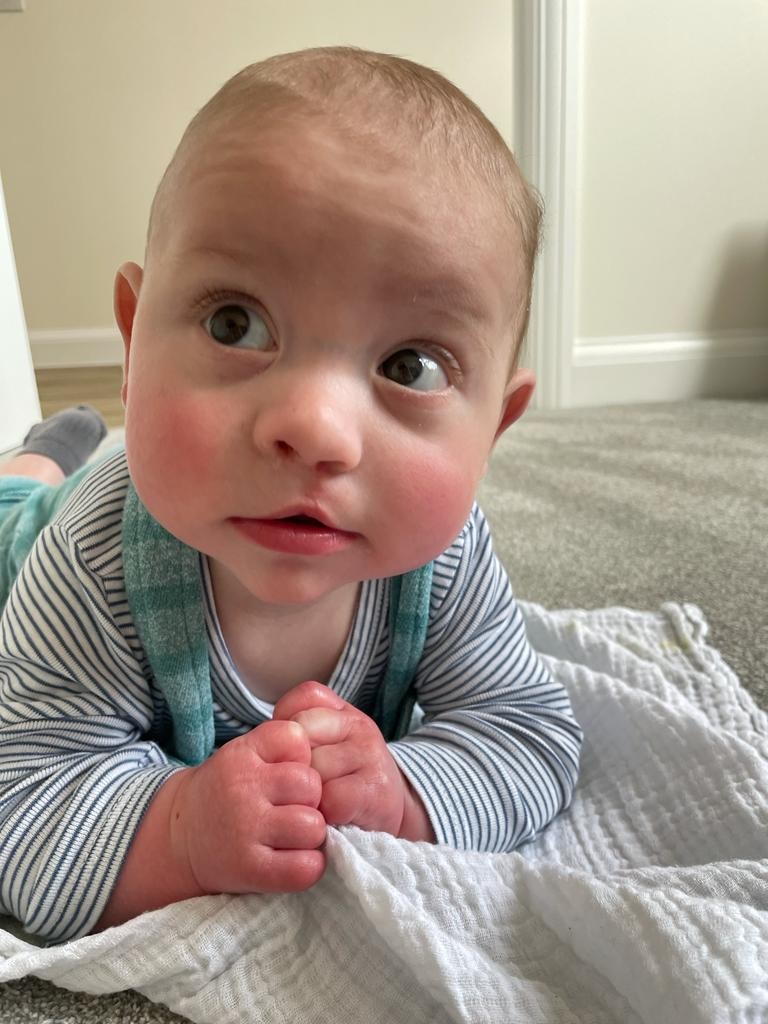
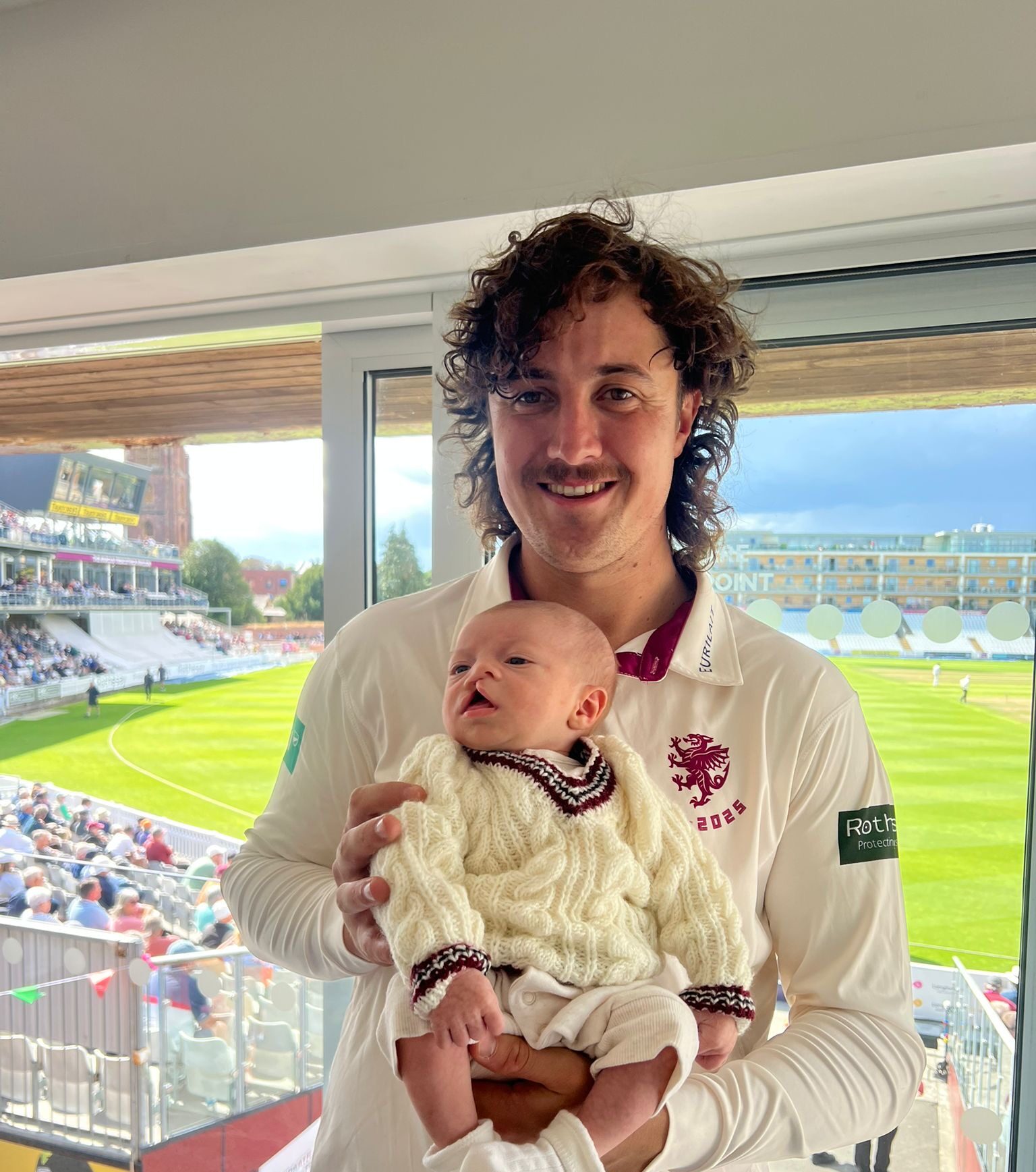
Rio, aged 2, was born with a cleft lip and palate

Antenatal diagnosis

Find information and support if you've had a diagnosis of cleft at an antenatal scan

Jump to information

Being told that your baby will be born with a cleft can come as a shock, especially if there’s no known family history.

You’ve come to the right place – CLAPA is here to support you and your family from diagnosis right through to when your baby grows up and has questions of their own.

We hope the information on this page will answer any questions you have right now and point you in the right direction to get the support you need.

Top tip: There is a lot of information to take in on these pages. You don’t need to rush to read everything – it’ll still be here waiting for you when you need it. Try to be kind to yourself and look after your own mental health and wellbeing.

What is a cleft?

In early pregnancy, different parts of a baby’s face develop separately and then join together in the middle. If some parts do not join all the way, there is a gap or ‘cleft’.

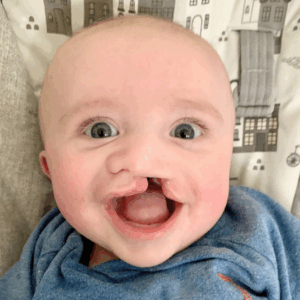
A cleft lip is one or two gaps in the upper lip. It can range from a little notch in the coloured part of the lip to a complete separation of the upper lip which can extend up and into the nose.

A cleft palate is a gap in the roof of the mouth. This can range from a small gap at the back of the mouth to a gap that extends all the way forward through the gums.

A baby can be born with a cleft lip, a cleft palate, or both together.

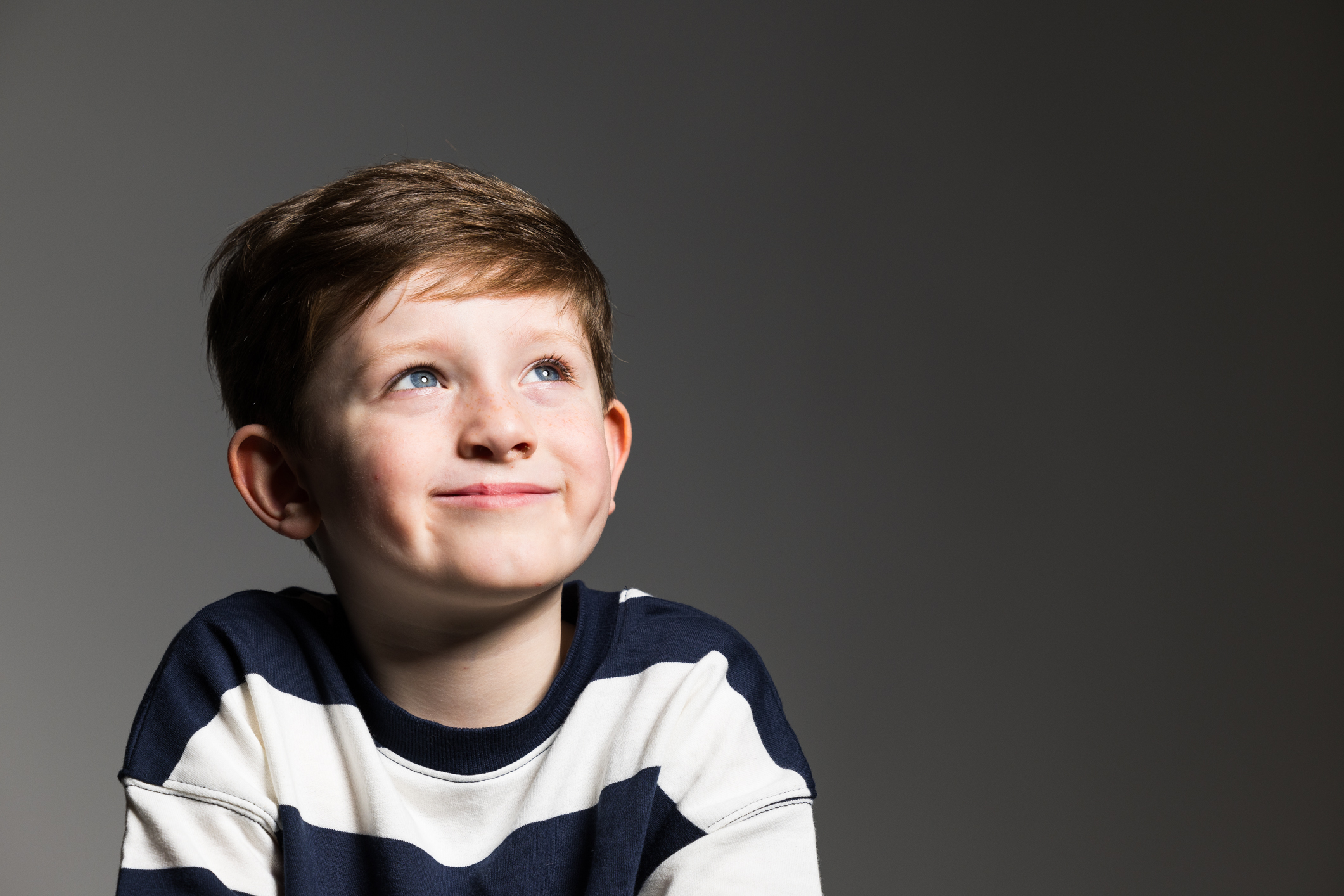
Theo (6) was born with a cleft lip and palate

Why does my baby have a cleft?

We don’t fully understand what causes cleft lip and palate.

There are lots of different factors which we think play a part, including both genetic and environmental influences.

It is very unlikely that your baby’s cleft was caused by something you did or didn’t do.

Once your baby is born, your NHS Cleft Team may offer genetic testing which will help you to understand what caused your child’s cleft and the chances of it happening again.

Learn more about the causes of cleft

[After diagnosis] I spent the next 20 weeks of my pregnancy extremely anxious. Some days I would be super positive, and other days I would just cry not knowing what it would mean for our precious little one and also for us as a family.

Fast forward a year, and Eva is now 9 months old. I look back now and wish I hadn’t put so much worry on my shoulders, as the moment she was put in my arms all I saw was perfection.
Donna, mum to Eva

Photo gallery of babies and children

Will my baby be okay?

With the right treatment and support, babies born with a cleft can grow up to be just as happy and healthy as any other child.

There are specialist Cleft Teams in the NHS to look after your child throughout their life. They will have regular check-ups and treatment as needed until they are an adult, at which point they can decide to go back for more treatment at any time.

CLAPA is here to support you, your baby and your family throughout your entire cleft journey.

What treatment will my baby need?

The treatment your baby will need depends on the kind of cleft they’re born with. Most of the time, you won’t know this for sure until your baby is born.

Your baby will need at least one operation to repair their cleft. This will be done by specialist cleft surgeons in the NHS.

As your baby grows up, they might need further treatment such as hearing aids or grommets, speech therapy, and operations to help with speech, teeth placement, and other concerns. This will depend on the kind of cleft they have and how it affects them.

Learn more about the cleft treatment pathway.

Play video

Easing the First Few Hours: Antenatal Diagnosis

The Northern and Yorkshire Cleft Lip and Palate Team in Newcastle have put together this film, “Easing The First Few Hours” (part funded by CLAPA). The full film is available on our YouTube channel.
Watch the full film

What do my scan results mean?

It’s likely you’re on this page because you’ve had a diagnosis of a cleft at an antenatal scan.

Your obstetric team or Cleft Nurse Specialist should explain your scan results to you in more detail. Here, we’ve listed what some of the more common terms mean.

One or two gaps in your baby’s top lip.

Around 75-80% of cleft lips are diagnosed at routine antenatal scans.

Photo gallery of children and babies with a cleft

This describes whether the cleft lip is on one side (unilateral) or both sides (bilateral) of the upper lip.

This baby has a unilateral (on one side) cleft lip:

This baby has a bilateral (on both sides) cleft lip:

This describes whether the cleft lip goes up to your baby’s nose (‘complete’) or not.

An incomplete cleft lip:

A complete cleft lip:

A ‘gum notch’ means the cleft goes through part of the gums.

The alveolus is the bone under your gums. If a cleft ‘involves’ the alveolus, this means the cleft goes through this bone.

A cleft palate is a gap in the roof of your baby’s mouth. It is extremely difficult to diagnose a cleft palate in a routine ultrasound scan, because the gap is inside of their mouth. Shortly after birth, your midwife or another health professional should examine your baby’s mouth by gently pressing down on their tongue and looking at their palate with a torch.

If your baby has a cleft lip, there is around a 50-60% chance they will also have a cleft palate, so a cleft lip diagnosis will often include ‘suspected cleft palate’ to make sure this is looked for at birth.

What happens after an antenatal diagnosis of cleft?

Meeting your Cleft Team

You will be referred to your local NHS Cleft Team. These teams are made up of clinicians who specialise in treating cleft lip and palate.

A Cleft Nurse Specialist will contact you as soon as possible to talk you through what will happen next. They aim to do this within 48 hours. Your Cleft Nurse Specialist will be your main point of contact in the first year of your baby’s life; they are usually the best person to go to with any questions or concerns.

You may be invited to meet other members of the Cleft Team at the hospital nearer the time your baby is due. This is a good chance to ask any questions and get more familiar with the people who will be treating your baby’s cleft.

There will be a lot of details to keep track of once your baby is born, such as names, contact information and appointment dates, so it’s a good idea to start keeping careful records of these now. These can be helpful as your baby grows up.

I haven’t had a referral, or no one has contacted me

If you’re not sure if you’ve been referred to the Cleft Team, or if you’re still waiting to be contacted, talk to your obstetrician or midwife.

Sometimes, they may delay a referral until you have had a second scan to confirm the cleft diagnosis. In most cases, you can still ask to be referred to the Cleft Team for support and information in advance of a second scan.

If you have not heard from anyone in the Cleft Team, you can call them directly to confirm that your referral has gone through. They may also be able to tell you when you can expect to be contacted. Find contact details for your local Cleft Team.

3D/4D ultrasound scans for cleft

What is a 3D/4D ultrasound scan?

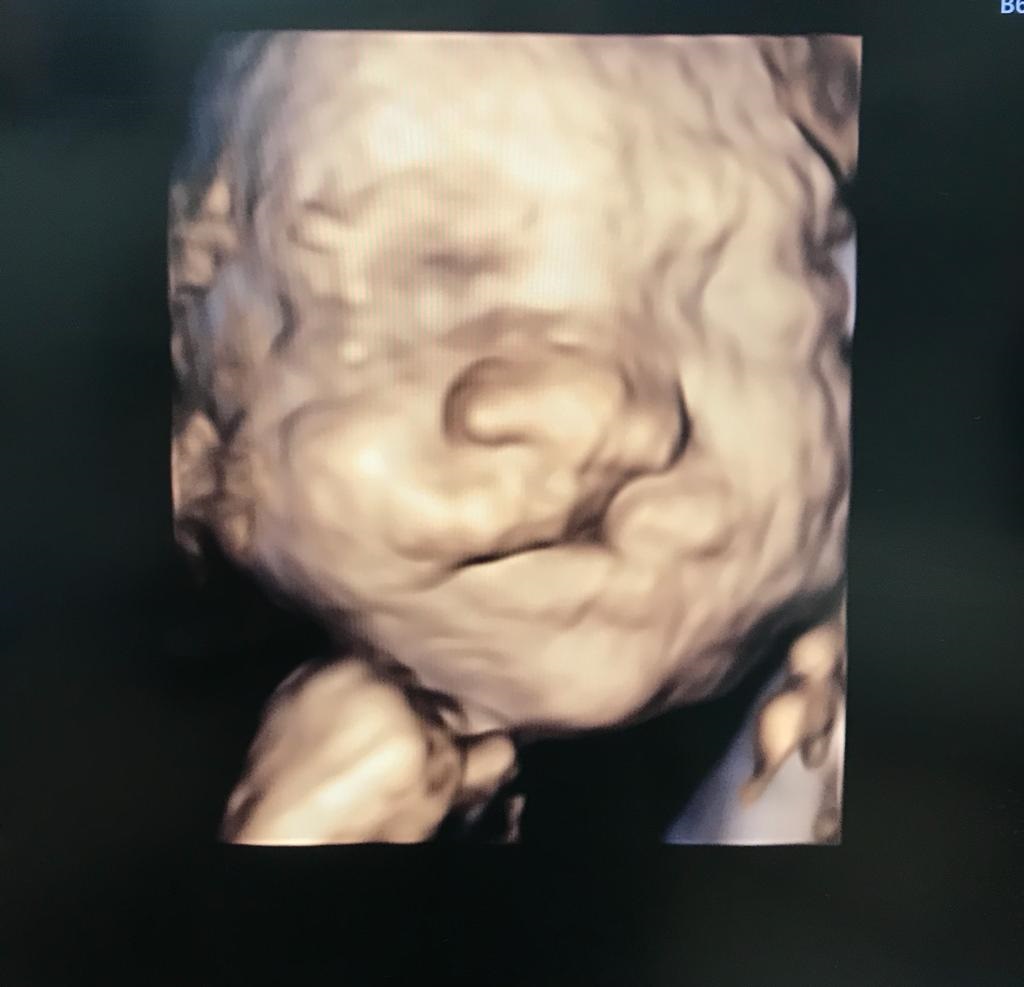
It’s likely the scans you’ve had so far have been ‘2D’ ultrasound scans which give a flat image. A 3D/4D scan can show your baby’s face in more detail and give you a better idea of what they will look like once they’re born.

A 3D scan provides you with still images to take home, while a 4D scan will provide you with a video. These will usually be sepia toned (yellow/brown in colour), as this helps the sonographer to get the best picture.

Important: these scans can allow a sonographer to see more detail than regular 2D scans, or your baby may be in a different position which allows for clearer images. Because of this, you may receive a different diagnosis to what was given to you during your anomaly scan. It’s important to be aware of this before making an appointment and to talk to your Cleft Team if you have any concerns.

How can I get a 3D/4D ultrasound scan after my cleft diagnosis?

Some NHS hospitals and Cleft Teams offer a 3D/4D scan to parents/carers with an antenatal diagnosis of cleft. Ask your Cleft Nurse Specialist if this is something they can provide.

If this is not available in your Cleft Team, there are many private ultrasound centres around the UK which offer this service. Some of them provide this service at a discount or even for free if you have a diagnosis of cleft. Your Cleft Team may be able to recommend a local private centre which offers this, or you can contact local centres directly to ask.

Preparing for your baby’s birth after a cleft diagnosis

Unless your baby has issues other than their cleft, things should not need to be any different when you give birth. You should not need to be separated from your baby in their first hours, and it’s very likely the only thing that will be different about your experience of giving birth will be your baby’s cleft.

You should talk to your midwife or obstetrics team if you have any questions or concerns about how your baby’s diagnosis of cleft might affect your birth plan. Your Cleft Nurse Specialist can advise them directly if necessary.

Your Cleft Nurse Specialist will discuss this with you in detail to make sure you feel ready.

Unfortunately, you probably won’t know how your baby will feed until they are born and you find out for sure if they have a cleft palate or not. At this point, your Cleft Nurse Specialist will carry out a feeding assessment and give you specialist advice on how to feed your baby and cater to their needs.

Depending on your baby’s feeding needs, you may need to stay in the hospital for a little longer after birth, as the team will want to make sure you are confident about feeding your baby before you go home.

If your baby has a cleft lip only, you might be able to breastfeed or use regular bottles if the shape of their cleft allows them to form a good seal around the breast or teat.

If your baby has a cleft palate as well as a cleft lip, you will very likely need to use specialist bottles for some or all of their feeds. CLAPA provides a free ‘Welcome Pack’ of these bottles and teats to new families, and you can buy extra equipment through our subsidised shop.

More about feeding

It’s natural to want to have everything ready for your baby’s birth, including any bottles and teats they might need.

However, you will only know for sure which bottles and teats your baby needs when they are born and the Cleft Nurse Specialist has completed a feeding assessment.

If you buy feeding equipment before the feeding assessment, it may not be the right equipment for your baby. This is why we advise you not to buy any bottles and teats before this assessment unless your Cleft Nurse Specialist has told you otherwise.

Sharing a cleft diagnosis with friends and family

How much you want to share, and who you want to share it with, is completely up to you.

Healthtalk.org interviewed a number of parents about their experiences of diagnosis and how they dealt with telling other people. You can watch videos of these interviews and read their findings on the Healthtalk website.

You may find it helpful to share links to CLAPA’s photo gallery of babies and young children, or to our ‘What is cleft lip and palate?’ section.

We knew we had to prepare our loved ones [about our baby's cleft], so it wasn’t a shock when he was born. “I want them to celebrate his arrival, not pity us,” I said. So Alex and I agreed it was best to share the news sooner rather than later.

I started by calling round our nearest and dearest. Some took the diagnosis better than others. There were lots of questions and I tried to answer as best I could, although I still didn’t understand it myself, really. “He’s perfectly healthy, apart from this,” I explained. “And so am I.”

After that I decided to post the 4D scan of our baby on Facebook, as an easy way to spread the news. The response was amazing – calls, emails, comments – and all overwhelmingly positive. People just wanted to know how they could help.
Joanne

Sharing a cleft diagnosis with your other children

Callie and her Cleft

CLAPA has a free book available called ‘Callie and her Cleft’ developed by Nottingham Children’s Hospital. It’s aimed at siblings of children with a cleft to help them understand what to expect.

Request your free copy

After speaking to CLAPA, I printed off some photos of cleft babies and tried to explain things to [2-year-old] Noah in simple terms. “You’re going to have a little brother and he might look a bit like this,” I said, trying to sound upbeat. He studied the images curiously and didn’t look distressed at all. But I knew the test would come once the baby had arrived.
Joanne

Find support for you and your family

Antenatal Support Groups

CLAPA’s regular Antenatal Support Group events are a chance for you to meet regularly throughout your pregnancy with other expectant parents, create a support network, ask questions and share your concerns. You are not alone.

Read stories about cleft diagnosis

Many parents of children with a cleft have written about their experiences of diagnosis, birth, surgery and beyond. They have shared these personal moments, from the hopeless to the triumphant, to help new and expectant parents prepare for their baby’s future.

Talk to another parent

Parent Supporters are trained by CLAPA to support others one-on-one, either over the phone or through email. They understand just what you’re going through, as they’ve been through it all themselves!

Support on social media

CLAPA has a private support group on Facebook with over 10,000 UK parents and carers of children born with a cleft.

Counselling

CLAPA offers a dedicated counselling service for parents and family members (18+) of children born with a cleft.

Psychological support from your Cleft Team

The Clinical Psychology Team with your Cleft Team can help you to talk through any difficult feelings you might be having after your diagnosis. Talk to them about making an appointment.

Read stories from other parents and carers