


Around 70,000 adults in the UK alone were born with a cleft. In this section, you’ll find support and resources from CLAPA, the NHS, and other organisations, as well as information to help you get back into cleft treatment.
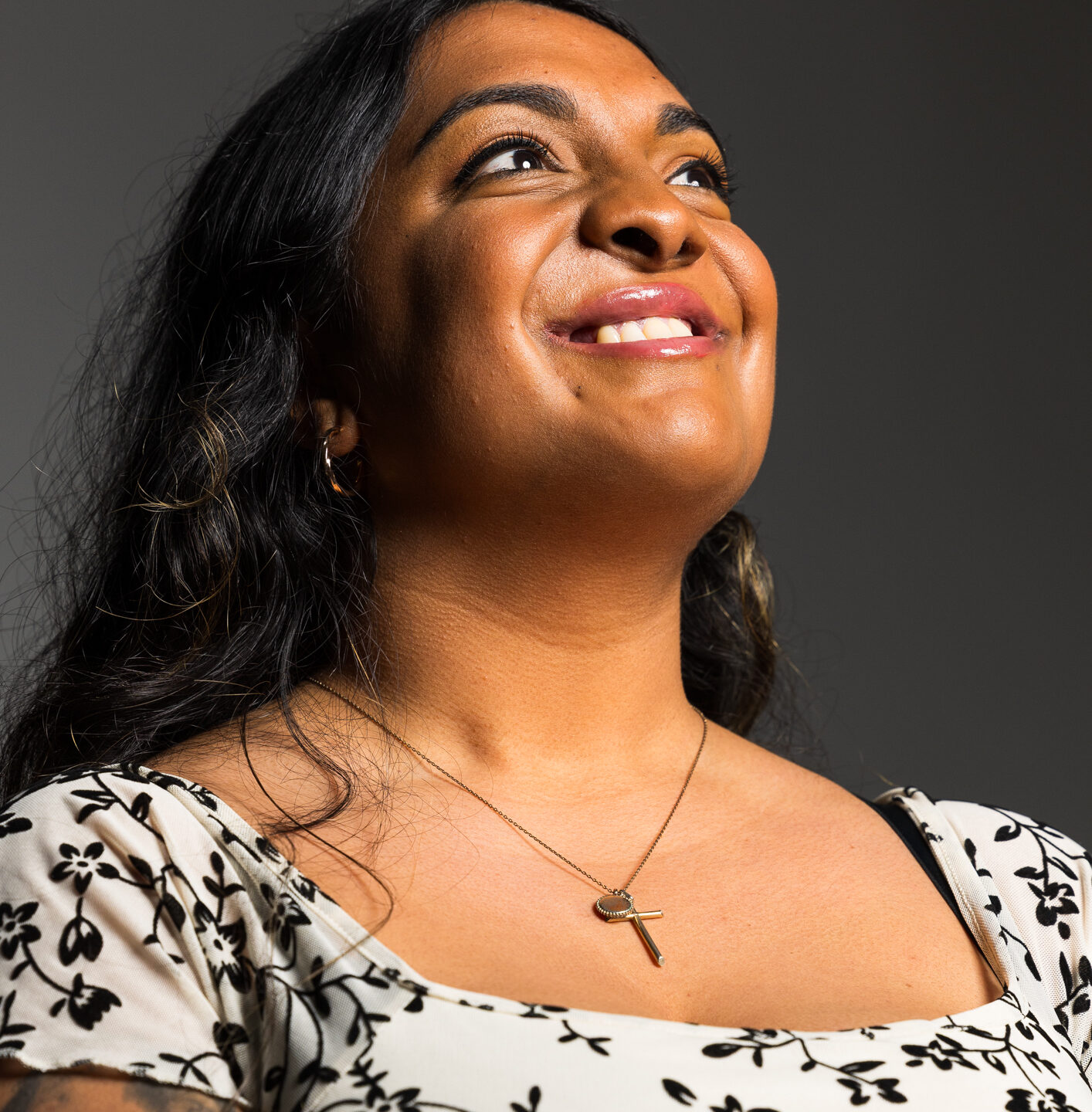
There were so many people with cleft at the [CLAPA adults'] conference, it was brilliant. The talks were fascinating, there were great activities where I felt my opinion mattered, and I met so many people and made new friends. We’re still in touch now, and still meet up.Kazzi's Story
Stories from adults

Gemma’s story
Gemma shares how being a part of CLAPA’s Young Adults Group has helped her confidence and self-image.
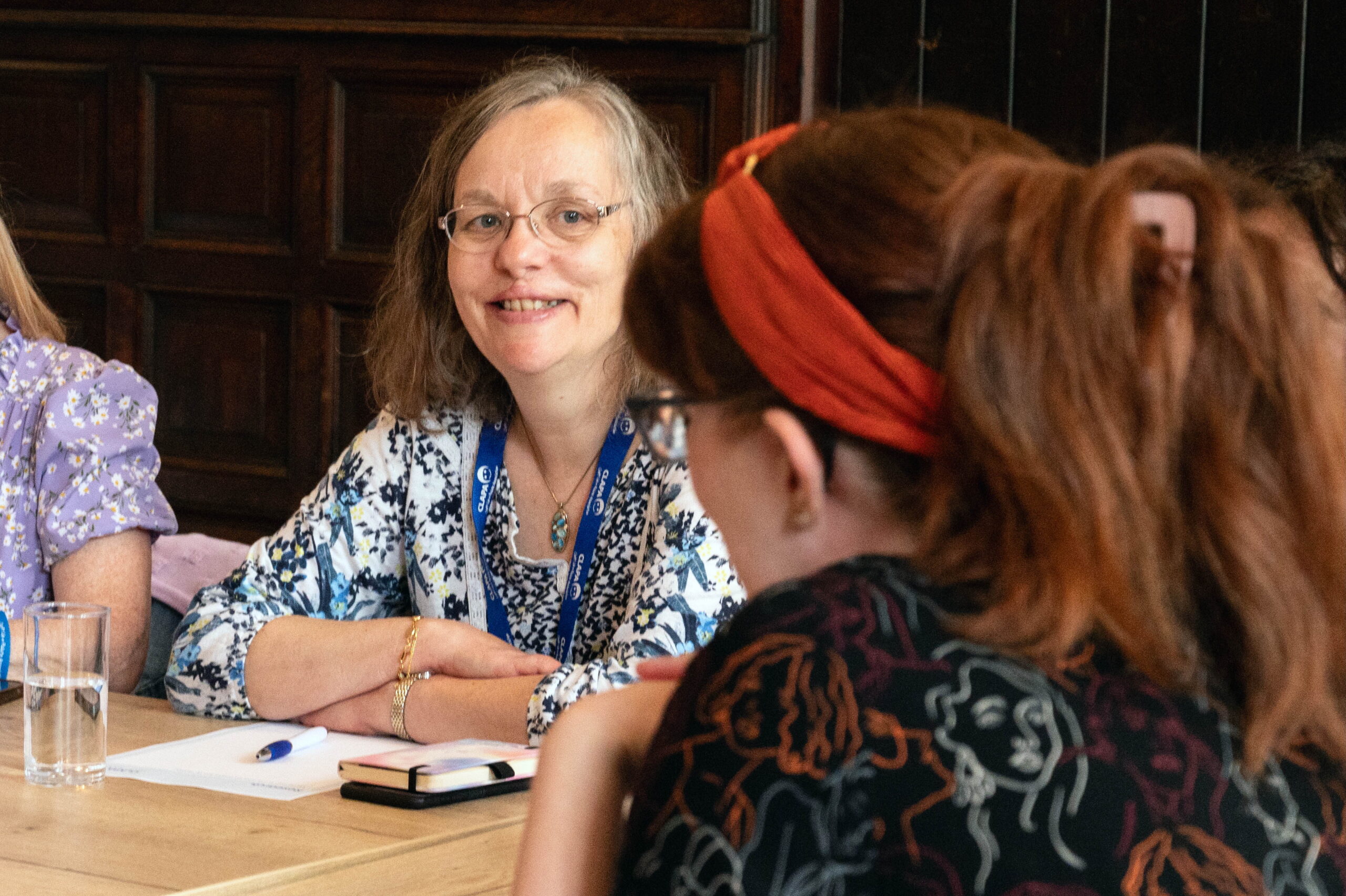
Julia’s story
Julia discusses the positive impact of finding CLAPA and returning to cleft care as an adult.

Rich’s story
Firefighter Rich recently shared his story of growing up with a cleft in CLAPA’s latest Cleft Youth Magazine.
Opportunities to get involved

Research Opportunity: School outcomes for children born with a cleft
Researchers at Newcastle University are looking to speak to people with lived experience of cleft palate (born with or without cleft lip) to explore why children born with a cleft have poorer school outcomes than other children of the same age.
Research Opportunity: Cleft Genetics Survey
Doctors and scientists based at Great Ormond Street Hospital, University College London and the Wellcome Sanger Institute near Cambridge are planning research into new genetic causes of cleft.
Research Opportunity: Surgical Decision Making
Researchers at the University of Oxford are looking who have been involved in clinical discussions about head and/or face surgery on children for aesthetic reasons, either as the child, the parent/carer or the health care professional.