Support at school

How parents, carers, teachers and CLAPA can support children born with a cleft in primary and secondary school.

While many people born with a cleft report that they had a wonderful time at school, it can also be the peak age for teasing and name-calling, and for children who look or sound different this can be especially difficult.

There are particular times when a child with a cleft may be more vulnerable and in need of support, including times of change (moving up in academic year or changing schools) and before and after operations.

It is important to remember that many children born with a cleft do very well at school and do not need additional support. It can also be the case that children face difficulties which have nothing to do with their cleft. This section lays out some of the issues that your child might face at school and what can be done to help.

What kind of issues might children born with a cleft face in school?

This section lays out some of the key issues which children born with a cleft might face in school, especially primary school, and what can be done to help.

Even if your child’s cleft doesn’t cause any extra issues at school, they will likely still have to miss lessons to attend cleft clinic and hospital appointments. If they need regular treatment such as speech and language therapy, they may need to come out of class more frequently.

This can lead to missing out on 100% attendance awards, or even warning letters about ‘persistent absence’ when a child’s attendance (even if absences have been authorised) drops below 85%.

How parents and families can help

Make sure you tell the school about any upcoming appointments as soon as possible to help them plan around it.

If possible, try to book medical appointments in the late afternoons. If your child is marked present in registration (morning or afternoon), they usually retain their ‘present’ mark for that session, even if you later check them out of school for their appointment. It’s not always possible to book appointments at more convenient times, but it’s always worth asking.  and, where possible, ask for appointments in the late afternoon, as your child will usually retain their ‘present’ mark for that session.

Check out our ‘School Absences FAQ‘ below for more guidance.

 How Schools Can Help

Schools should adapt their attendance reward policy so it doesn’t exclude pupils absent for medical reasons. Instead of ‘100% attendance’, they could reward ‘maximum possible’ or ‘most improved’ attendance.

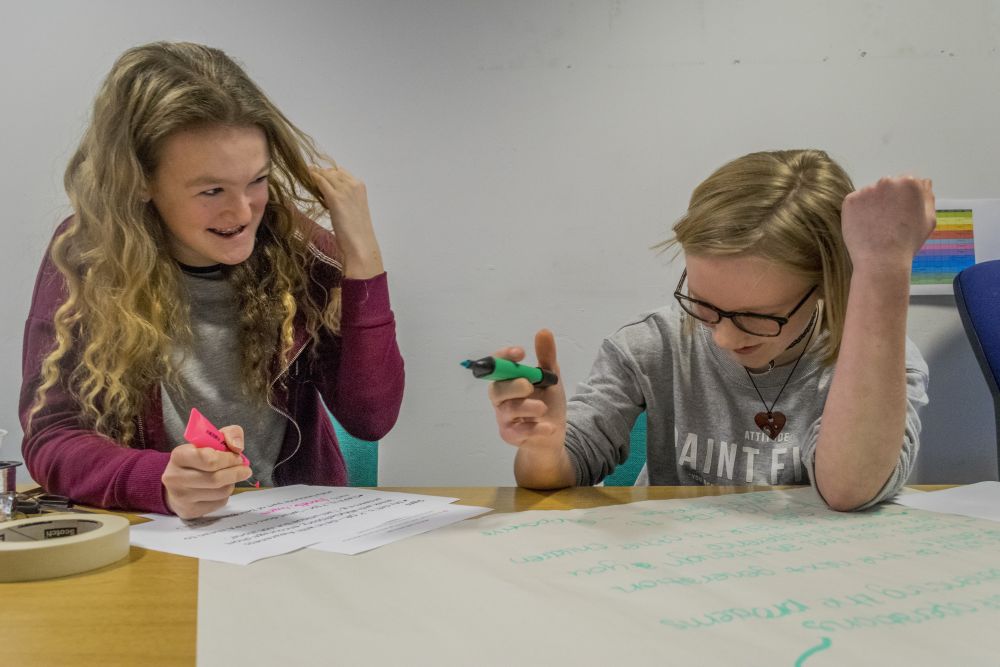
Most children will feel at least a little anxious about starting a new school. But for children born with a cleft who may face extra challenges, it can be especially nerve-wracking.

What you can do to help

Encourage your child to smile and keep their heads up, even when they are nervous, and reassure them that it will all become familiar soon. A practice trip to the school before term starts, or even asking to meet their teacher, can help children feel more at home in a new place.

If you haven’t already, now is the time to make sure your child has an appropriate understanding of their cleft and the reasons why they may look or sound different to their peers. Other children in school may make comments out of simple curiosity, and if your child doesn’t know how to respond, it can be distressing. Take time to practice a short explanation with your child, and consider making teachers and staff on playground duty aware of this explanation, too. It can be something as simple as, ‘I was born with a hole in my lip and the doctors sewed it up when I was a baby’.

More about talking to your child about their cleft.

How schools can help

You may want to arrange a meeting with school staff to discuss the following:

  • Are there specific words that your child does or doesn’t like when talking about their cleft?
  • What should school staff say or do if another pupil makes a comment or asks a question about their cleft?
  • Does your child have any speech or hearing concerns that the school needs to know about?
  • Does your child have any regular treatment the school should know about? Any operations coming up?

See below for extra resources which may help, including a template letter for teachers explaining cleft, and a short leaflet for teachers around helping children born with a cleft to succeed at school.

Sounding different can make a child feel self-conscious about their voice and they may avoid talking as a result. This can affect class participation and social interaction with other children.

A child who finds it difficult to be understood by their peers may become physical in their attempts to communicate, or may be easily frustrated by the need to repeat themselves.

How Schools Can Help

Certain lessons may cause problems for children with speech difficulties, such as music (especially with wind or brass instruments), languages (children may not be able to physically pronounce certain sounds), and reading out loud.

Teachers should work in partnership with parents and a child’s Speech and Language Therapist (if applicable) to support their therapy targets during reading, phonics and other school work.

Teachers who find it hard to understand children should avoid interrupting or ‘correcting’ their speech as this can cause feelings of anxiety around talking. If they have to ask the child to repeat themselves, they should do this only once, and if they are still having trouble they should then repeat back clearly what they think the child is trying to communicate until an understanding is reached.

Teachers should be patient, encourage children to use their voices, and praise their successes and milestones.

Children born with a cleft palate may have recurring hearing issues, and as these can develop gradually they may not even realise that there is anything wrong at first.

As a result of hearing problems, children may not seem to be paying attention, their comprehension levels may be low, or they may become more physical in their attempts to see people’s faces and lip-read.

How Schools Can Help

Teachers should be made aware that your child may develop hearing issues; this will help them to look out for these and alert parents and carers if they suspect anything.

If a child has known hearing issues, it can help to sit them somewhere in the room where they can clearly see the teacher’s face. Special allowances may also need to be made for examinations that involve hearing, such as listening to tape recorders in large rooms.

Some children with a cleft lip scar feel may feel especially self-conscious about their appearance, and this can have a negative impact on their general confidence levels, class participation and sensitivity to comments from other children.

How Schools Can Help

If a child is particularly conscious about their appearance, teachers should take extra care to look out for teasing or comments around this, and should support children who wish to explain to the rest of the class why they may look different.

Certain lessons may also bring up issues to do with their cleft or appearance, e.g. self-portraits in art classes, and these should be handled sensitively. Some lessons could also be a good opportunity to educate the rest of the class about cleft, e.g. lessons about teeth.

Children who look or sound different may have low expectations of themselves and believe that others do too. This can affect how they participate or behave in class and at break times, as well as how they do academically. They may behave in ways that can be seen as disruptive, such as refusing to do tasks or becoming aggressive, or they may become more insular.

Recognising a child’s abilities and encouraging them in focusing on and developing these can be a big help. Children often become aware of these abilities for the first time by having it named and being able to talk about it, even if these abilities are simple things like being compassionate or enthusiastic.

Encouraging out of school activities or arranging play dates can also help.

Consider making an appointment with the Clinical Psychologist with your Cleft Team if you think it will help.

How Schools Can Help

Making teachers aware of these issues is the first step towards managing them. There are a number of strategies that might help. For example, teachers could ensure that groups for activities are chosen by some other means than popularity or friendship groups.

This page goes through the signs of bullying, how to deal with it, and available resources for young people and families.

Support with bullying

How can the Clinical Psychologist with the Cleft Team help?

The Clinical Psychologist with the Cleft Team can use playing and ‘talking’ therapies to help children feel better, behave differently, or think in a more helpful way. They are not psychiatrists and do not prescribe medication; they are cleft specialists who understand the specific support needs of people with a cleft and their families.

Treatment will vary from child to child.

First, there will be an assessment where you and your child (and other family members where appropriate) will be invited to meet the Clinical Psychologist so you can all get to know each other and explore any issues in a safe environment. This may involve questionnaires, and the Psychologist may need to contact your child’s school for extra information.

Next, the Clinical Psychologist puts all this information together to try and understand what is causing these issues.

Finally, the Clinical Psychologist decides what kind of therapy is likely to work best in this situation.

This can involve working with your child to help them feel better about themselves, coming up with strategies to deal with unwanted questions or to manage teasing or bullying, or even putting children in touch with each other so they can talk to someone else in a similar situation. The psychologist may also work with the family to help them understand how to best support their child.

A school’s responsibilities

Under the law, schools have a duty to meet every child’s needs.

Children born with a cleft may need extra support for a number of reasons, and schools have a duty to do their best to provide this. Not every child with a cleft will need extra support, and, of those that do, most will not need it for their whole school life.

What is SEN/ASN?

Special Educational Needs (SEN) is a term set out by the Government in England and Wales, its equivalent in Scotland is Additional Support Needs (ASN).

This simply means that a child has a additional needs or issues which makes it harder for them to learn or access education. For children born with a cleft, this might include issues with hearing or speech, or even issues with self-esteem which might impact on their success at school.

Ask your child’s teacher or the person at the school who deals with these issues if you think your child needs an assessment or if you have any questions about this.

Details of how children with additional support needs are handled differ from country to country, and sometimes from school to school. You can find more information using the following links:

Support in England

Support in Northern Ireland

Support in Scotland

Support in Wales

Advice from other parents and carers

This section collects together advice from other parents and carers of children born with a cleft who have worked with their child's school to get them the help and support they need to succeed.

Don’t wait for the school to ask you, or for any problems to come up. Keep the school up to date about your child’s situation as it changes, and make sure they understand what a cleft is and what issues may come up for your child in particular. Inform them of any operations or particular appointments coming up, whether it’s appropriate for teachers to share this with the rest of the class, and if there’s anything they can do to help.

You can send this information in before school even begins so the teachers have a head start. It may also be a good idea to do this for each year, as information may not be passed on to the next teacher. You can refer them to the CLAPA website or even provide them with a copy of our ‘School Years’ leaflet to help.

You could use CLAPA’s template letter to inform the school about your child’s cleft. Make sure to include any additional details they may need to know, such as areas of school life your child may need extra help with.

If you have questions or concerns, ask for a meeting with the school and, if possible, with the person who deals with children with additional needs. Write down your questions beforehand.

Your questions might include:

  • How will the school make sure that the cover staff, kitchen staff and break time staff are aware of any additional needs?
  • How will the school work with external agencies such as Speech and Language Therapists?
  • Who is responsible for making sure your child’s support plan is carried out?
  • How will the school approach studying potentially sensitive subjects, such as teeth?
  • How can my child access work or catch up with the class when they take time off for operations?

The various professionals and specialists involved with your child’s care will need different pieces of information at different times, e.g. the dates and names of operations, names of other professionals, the particular assessments and treatments they’ve had, etc. It gets harder to remember all of these details as time goes by, so keep a written record of everything in one file.

If they have additional support needs, it’s likely your child will soon realise that they have to attend more appointments or are treated a little differently to other children. Take the time to explain to them why this is, and help them to come up with a simple explanation for any curious classmates.

Make sure you also take the time to focus on your child’s achievements and what they are enjoying in school to help boost their self-esteem.

School Absences: FAQ

This guide was put together with the help of Ros Gowers, an Independent Education Social Worker.

Note that this information is currently UNDER REVIEW, so some items may be out of date.

You can request a meeting to talk through your child’s medical needs and any issues you may anticipate before they start school, or at any time afterwards.

You may wish to cover:

  • Are there specific words that your child does or doesn’t like when talking about their cleft?
  • What should school staff say or do if another pupil makes a comment or asks a question about their cleft?
  • Does your child have any speech or hearing concerns that the school needs to know about?
  • Does your child have any regular treatment the school should know about? Any operations coming up?

You could also write to them using CLAPA’s template letter.

In some cases, parents and carers may receive warning letters about absences even when an absence was due to a medical appointment, of which the school was notified.

The government have set all schools targets to reduce what they term ‘persistent absence’. In this instance, ‘absence’ incudes any time off school, even where this is authorised by the school.

Therefore, when a child’s attendance falls below 85% at any point, schools are likely to generate a letter to the parents asking them to improve their child’s attendance, even when they know the absence is for genuine reasons.

One thing you can do to help with absences is to book medical appointments in the late afternoons whenever possible. If your child is marked present in registration (morning or afternoon), they usually retain their ‘present’ mark for that session, even if you later check them out of school for their appointment. It’s not always possible to book appointments at more convenient times, but it’s always worth asking.

These letters are standard and you should not be alarmed if you know that you informed the school in advance about your child’s absence for medical appointments. In law, only absence which is NOT authorised is prosecutable.

You can respond to the letter by saying something like:

‘Thank you for your letter dated [date of the school’s letter] regarding my child’s X% attendance rate. As you are
aware this is due to unavoidable medical appointments of which you were informed in advance and which you have agreed to authorise. While I always endeavour to keep absence from school to a minimum, given my child’s health condition, medical appointments must take priority until further notice. Please keep me informed of any concerns that you may have regarding the impact of [name’s] absence on [his/her] educational
progress.”

Schools are actively encouraged to promote good attendance in school
as the data clearly shows a direct correlation between attendance levels (even at Primary School) and later educational outcomes. Put simply, low attendance has a direct long term effect on the number and grade of GCSEs a student can eventually get.

That having been said, clearly some pupils, for a variety of reasons, find 100% attendance impossible and where reward systems exist this can have a demoralising effect on both the pupil and the class.

Under the terms of the Equality Act, schools have to make ‘reasonable adjustments’ to ensure all young people access the curriculum fully and one possible answer would be for a school to make such an adjustment in terms of attendance data and measure a pupil’s
attendance against the maximum they could hope to achieve. This, however, can be confusing for schools where a number of pupils have different targets to the norm.

You could also encourage the school to change their reward scheme to highlight ‘excellent’, ‘improved’ or ‘maximum’ attendance rather than 100%. This allows for everyone to be able to succeed.

Schools will normally not be informed of these directly, so the onus of responsibility is still on the parent to inform the school with as much advance notice as possible.

If there are a series of appointments, schools have the facility to book these in advance, but parents must then remember to inform them of any cancellations or changes.

The legal guidance is exactly the same for all schools. The response to absence from the different types of school may not be the same, however, as absences will have more impact at certain points in their education, such as the beginning of the school year or around exams.

Communication with your child’s school is key! Give staff as much notice as possible of any appointments and use parent-teacher meetings to ensure that all staff are aware of your child’s medical needs, as this information isn’t always passed onto teachers for individual subjects.

You may also want to meet with your child’s pastoral head (such as their head of year) and discuss any issues with them in-depth.

If you are aware of any longer-term absences coming up (such as for operations or other treatment), then let the school know in advance so they are prepared and keep you informed of any key periods to try and avoid.

Parents and carers cannot always control when medical appointments are booked, but it’s always worth asking to see if they can be rescheduled for less disruptive times.

If possible, schedule appointments on teacher training days, during PE lessons, or other times where missing school may have less of an impact.

If medical appointments typically fall on the same days or at the same times, this may cause a child to always miss the same lessons. If appointments have to take place during the school day, consult your child’s lesson timetable to make sure they don’t always impact on the same subject.

Resources

These resources are currently being updated. Please check back soon.

Template letter for teachers (Coming soon)

CLAPA has put together a template letter for teachers briefly explaining the impact of a cleft on a child at school. This letter is intended for children starting Secondary School but can be modified as needed for any age.