

Gemma’s story
Gemma shares how being a part of CLAPA’s Young Adults Group has helped her confidence and self-image.
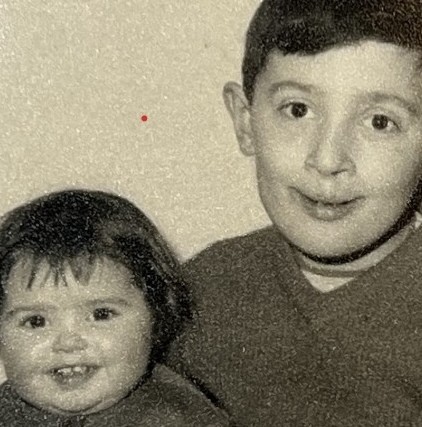
“If someone said ‘cleft’ I'd be out the room before they could say ‘palate’”
Carol Vorderman’s been CLAPA’s celebrity patron for the last 25 years, as her brother Anton was born with a cleft.
She smiled: “I’m very close to my big brother and understand how strongly cleft affects people’s lives. It’s an honour to represent CLAPA and help raise awareness of this so often-misunderstood condition.”
Anton was born in 1953 with a bilateral cleft lip and palate, just five years after the NHS started.
“Cleft care and procedures were very different then,” he said. 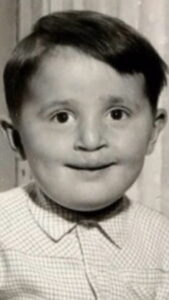
“When I was born, the hospital didn’t have specialist feeding bottles, and I had to be fed with a teaspoon. Mum was told, ‘take this boy home, or he’s going to starve to death because we can’t afford a nurse to feed him’.
“Mum had no phone numbers to contact for support. Not like now, when CLAPA’s details are given to people in hospital. This was more than 20 years before the charity started.”
Carol and Anton’s parents separated when Carol was a baby. Anton regularly looked after his little sister while their mum Jean worked.
“I wasn’t conscious of Anton being different in any way growing up, apart from his speech maybe, which was affected by his cleft,” said Carol.
“He was just my big brother, and I thought he was very clever (because he was). He taught me how to play chess and touch type on an old manual typewriter. I called him ‘little daddy’ as our father wasn’t around, and Anton was always at home.
“Mum had three children to bring up by herself, including our big sister Trixie, and had to work very hard as there was no welfare assistance then. We were a poor family, and the added worry about Anton’s cleft sometimes took mum to the brink.”
Anton added: “As a kid, I didn’t really think about my cleft. I just remember mum taking us on the bus and train from North Wales to Liverpool, to Alder Hey Hospital.”
However, Anton said things changed dramatically when he became a teenager.
“I became very self-conscious and felt very different in my teenage years. I was exceptionally shy and introverted, and got called some horrible nicknames at school because of my cleft.
“It really affected me mentally. If someone said ‘cleft’ I’d be out the room before they could say ‘palate’. Not now though. Now, I’ll happily talk for hours about it.
Kids still come up to me and ask questions about my face and what’s wrong with my lip.
“Kids still come up to me and ask questions about my face and what’s wrong with my lip. Their parents get embarrassed, but I really don’t mind as it educates them.
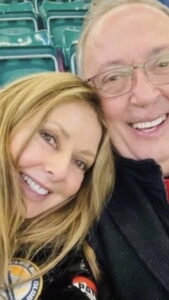
“I explain that, because my lip has been turned over, my moustache hair grows up rather than down, which they find fascinating.”
Anton’s had more than 20 operations for his cleft, including a major lip correction in his mid-20s, which “significantly” changed his life.
“I remember, as a very shy teenager, leaving the hospital in tears after a surgeon said, ‘we’ve done a really good job’. I was left with a big gap in my face and thought that was all they could do for me.
“It took me five years to go to my local doctor and say, ‘I’m really unhappy with the way I look, can I have correction surgery?’
“Then, in my mid-20s, then turned my bottom lip up to my top lip and it totally transformed my face. I just felt so wonderful after that. It completely changed my confidence overnight. I wish I’d had the courage to tell the doctor sooner, as it was truly life changing.”
Anton trained as a technical writer and moved to Holland to work in computer sciences.
He laughed: “I’m good at building PCs, Trixie’s the logical one, and Carol, of course, is our maths queen.
“I’ve lived in Holland since Carol became famous. Obviously, all the ex-pats know and love her. I’m so proud of her, and she’s a lovely sister. I wouldn’t swap her. 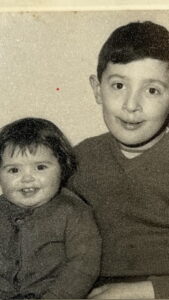
“I think it’s wonderful her being patron of CLAPA and raising awareness of cleft. I get involved a little bit through Carol poking me and prodding me.”
Both siblings said they wish people understood more about cleft, and its associated conditions.
Carol added: “People don’t realise that cleft affects speech, and those born with cleft need some kind of speech therapy.
“Sometimes, the media and people portray those with cleft as somehow stupid, just because it’s impossible for them to physically pronounce a word, until they’ve been through the therapy, or had particular operations.
“If anyone’s being stupid, it’s the people who think that someone with a cleft is stupid. I get a bit cross about this.”
There’s an assumption that you’re thick if you have a cleft. I never correct people’s assumptions.
Anton smiled: “There’s an assumption that you’re thick if you have a cleft. I never correct people’s assumptions.
“Once, I was reversing my car, and there was a hole in the road. I went into it and slammed into the front of this Mercedes behind me. Five lads jumped out.
“I thought I’d put a very good ‘I’m thick’ face on, and they let me off. I got away with it. I couldn’t believe it. So, maybe it’s not always a disadvantage.”
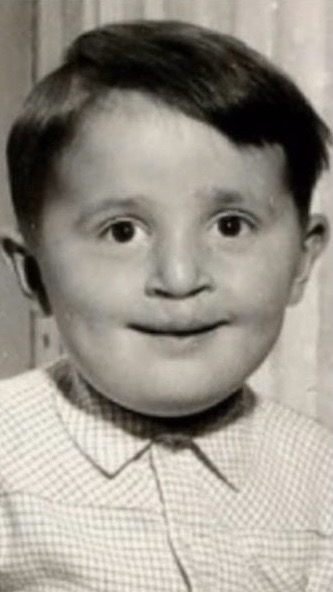
When I was born, the hospital didn’t have specialist feeding bottles, and I had to be fed with a teaspoon.
Gemma shares how being a part of CLAPA’s Young Adults Group has helped her confidence and self-image.
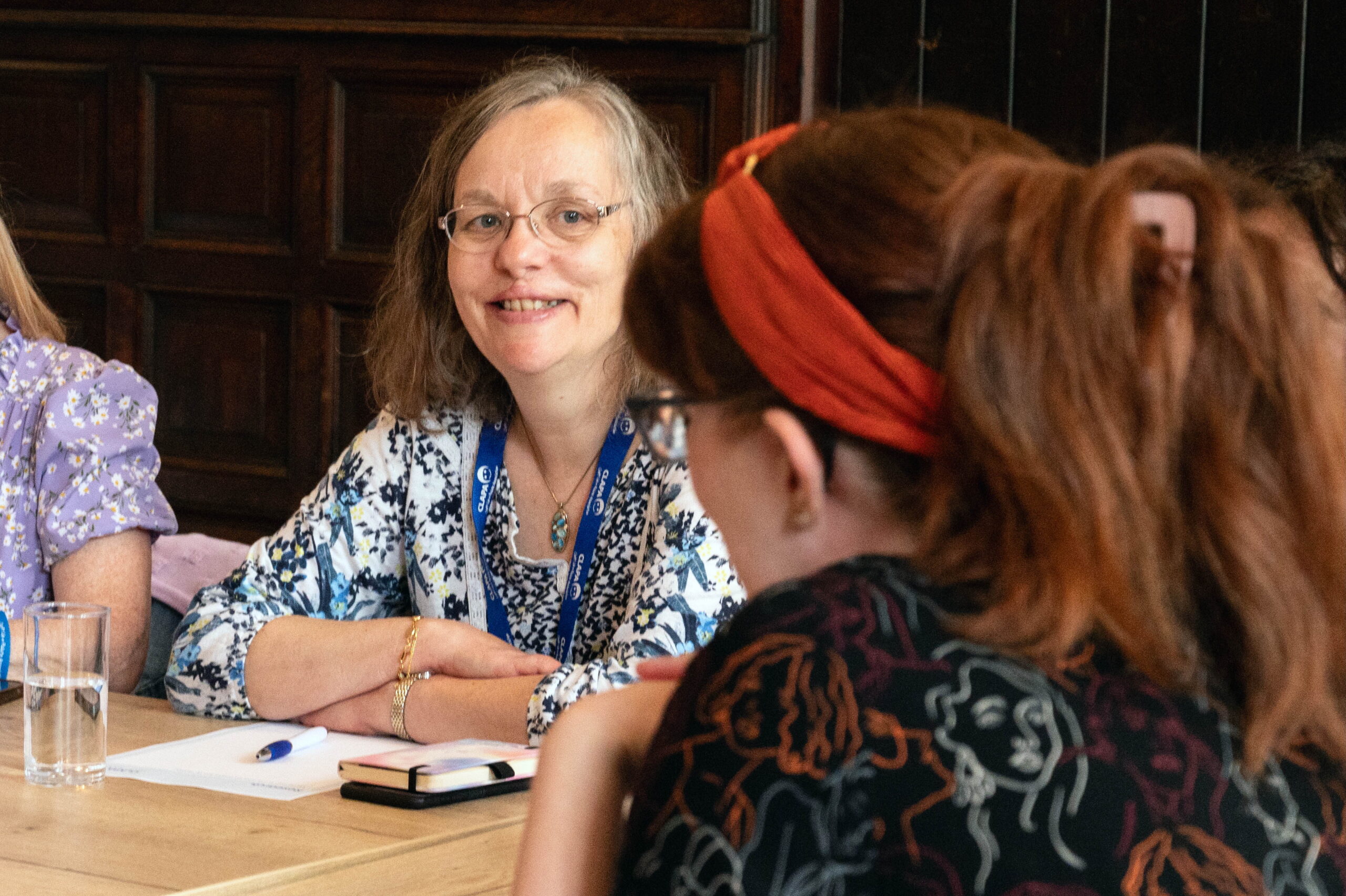
Julia discusses the positive impact of finding CLAPA and returning to cleft care as an adult.
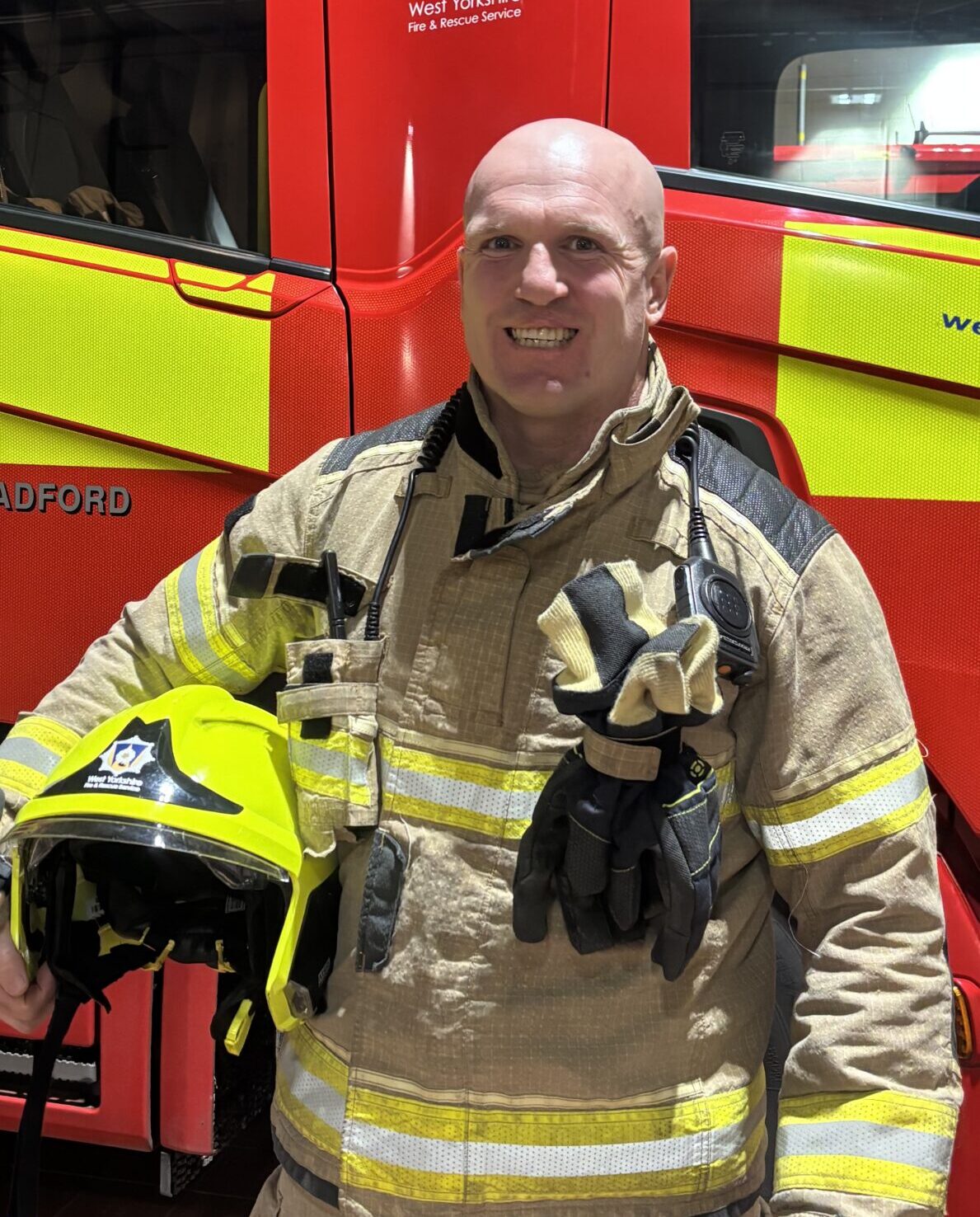
Firefighter Rich recently shared his story of growing up with a cleft in CLAPA’s latest Cleft Youth Magazine.