

Gemma’s story
Gemma shares how being a part of CLAPA’s Young Adults Group has helped her confidence and self-image.
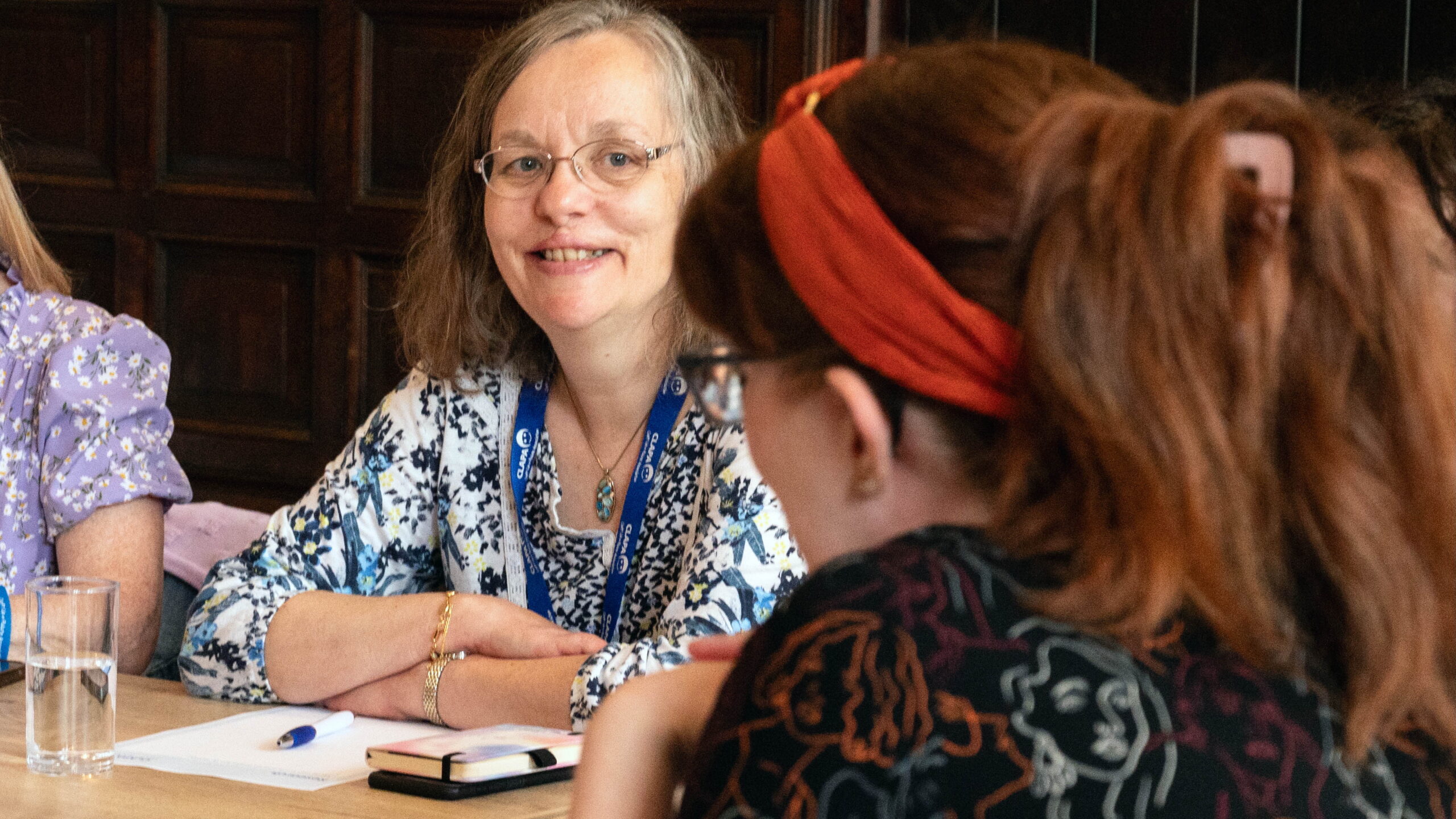
“Contacting CLAPA has been completely life changing”
Since finding CLAPA and returning to cleft care, Julia’s life has changed “beyond compare”.
“I spent 56 years hiding my face, never meeting others with cleft, and lacking in confidence because of my facial scars. 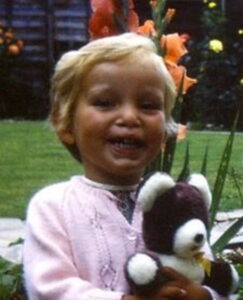
“Now, I’m happy to have my photo taken and am so much more comfortable talking to people about my cleft.
“I’m not exaggerating when I say contacting CLAPA has been completely life changing, beyond compare.”
Julia, who was born with a bilateral cleft lip and palate, discovered CLAPA in 2022 after a “horrendous visit” to her dentist for a plate fitting.
“I came home in absolute floods of tears and Googled, ‘can a cleft be repaired in an adult?’ and that’s when I found CLAPA.”
Julia contacted us and was immediately sent our ‘Adults’ Guide to Returning to Cleft Care’, including a referral letter to her local NHS cleft team.
She smiled: “I then returned to cleft treatment 31 years after being discharged. I had a plate fitted properly – for free! – by a cleft restorative dentist; saw a speech therapist and psychologist (which helped enormously); and, last year, had scar revision surgery on my top lip.
It’s so reassuring that I can receive treatment and care again as an adult. I wouldn’t have known any of this without CLAPA.
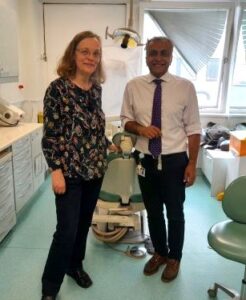
“I’d always thought, since I finished treatment all those years ago, that I just had to live with it, but the team at the hospital has been great. And CLAPA have been amazing.”
Julia’s lip surgery, her first operation since 1986, has made a “huge” difference to her physical and emotional health.
“It’s a weird feeling to get to the age of 60, and for the first time ever to feel my top lip on my bottom lip.
“And it’s strange the number of people who’ve said: ‘yes, you do look different, but I’d actually never noticed the scar before’.
“I’d focussed on my cleft scars since childhood. The children I met growing up were horrible and, when you’re bullied for your appearance, that’s all you can see in the mirror.
“Now, people are complimenting me on my appearance, and it’s totally changed the way I feel about myself.”
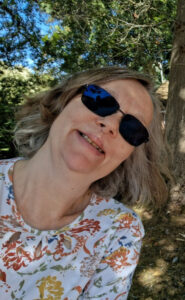
Julia has become an active member of CLAPA’s community, regularly attending online meetings; following and reposting stories on social media; and supporting our campaigns.
She attended our adults’ conference, which she said “was just fantastic” to be in a room with so many other people born with a cleft.
“I never saw another cleft child growing up. It’s bizarre to think one in 700 children are born with a cleft, but you can get to nearly 60 years old before you talk to someone else with it.
“I don’t feel as isolated with my cleft now and CLAPA’s improved my life so much. The support from CLAPA is really nice and reassuring, like a big comfort blanket.”
Julia said she particularly enjoys attending our regular online events, where people share lived experiences of returning to cleft treatment.
“After my lip operation, I was able to share my tips about nasal sprays and sleeping at an angle, which has really helped the cleft sinus problems I’ve had all my life.
I also found my first friend with a cleft at the adults’ lounge. We exchanged numbers at the conference and now regularly WhatsApp each other, which is lovely and I’m sure we both appreciate each other.
“Thanks to CLAPA, people with cleft now get so much better support and guidance for themselves and their families, something that was just not available when I was growing up.”
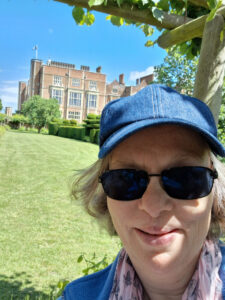
Before her recent retirement, Julia’s work colleagues helped her fundraise for CLAPA.
She laughed: “And I was quite open about why I was doing it. Before, at any work events, I would shy away at the back and wouldn’t want to be in any photos. Not anymore.
“I’d say my personality has changed since I’ve been in contact with others with cleft through CLAPA.
“I’m so much happier. I wouldn’t be where I am today if I hadn’t made that initial contact four years ago.”
Gemma shares how being a part of CLAPA’s Young Adults Group has helped her confidence and self-image.
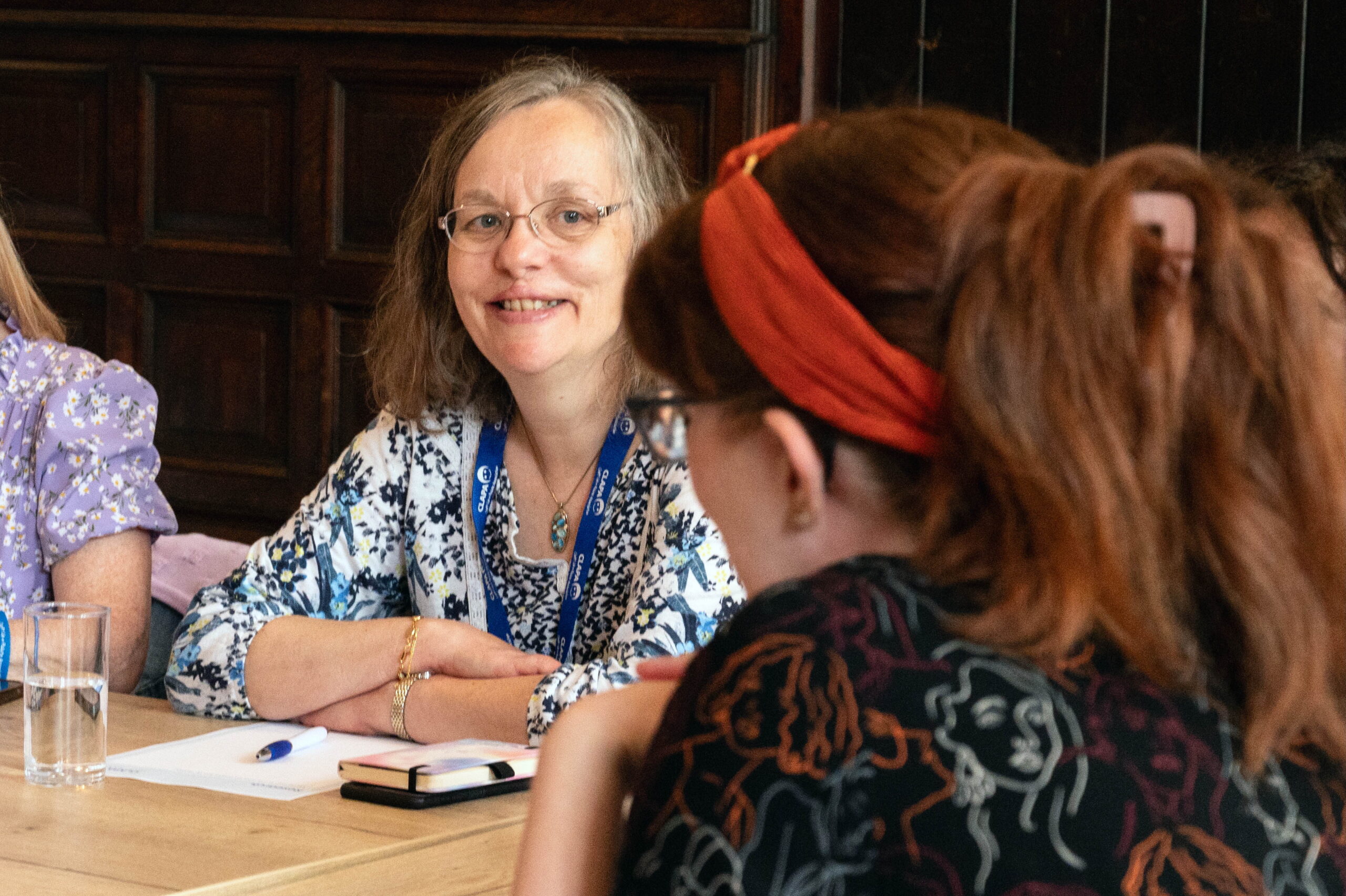
Julia discusses the positive impact of finding CLAPA and returning to cleft care as an adult.
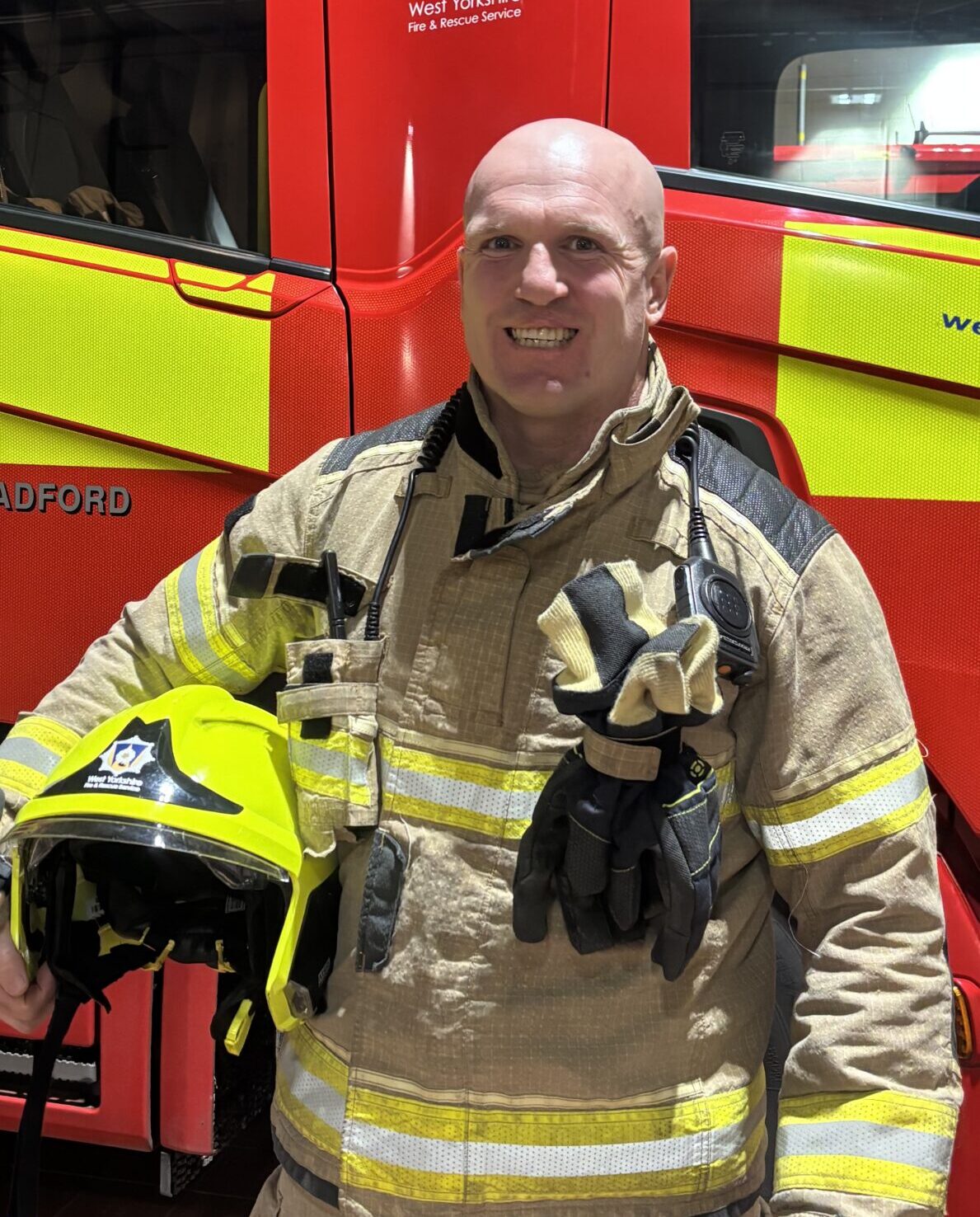
Firefighter Rich recently shared his story of growing up with a cleft in CLAPA’s latest Cleft Youth Magazine.