
Growing up with a cleft can be very isolating, with constant surgeries, appearance worries, and insensitive, sometimes cruel, comments.
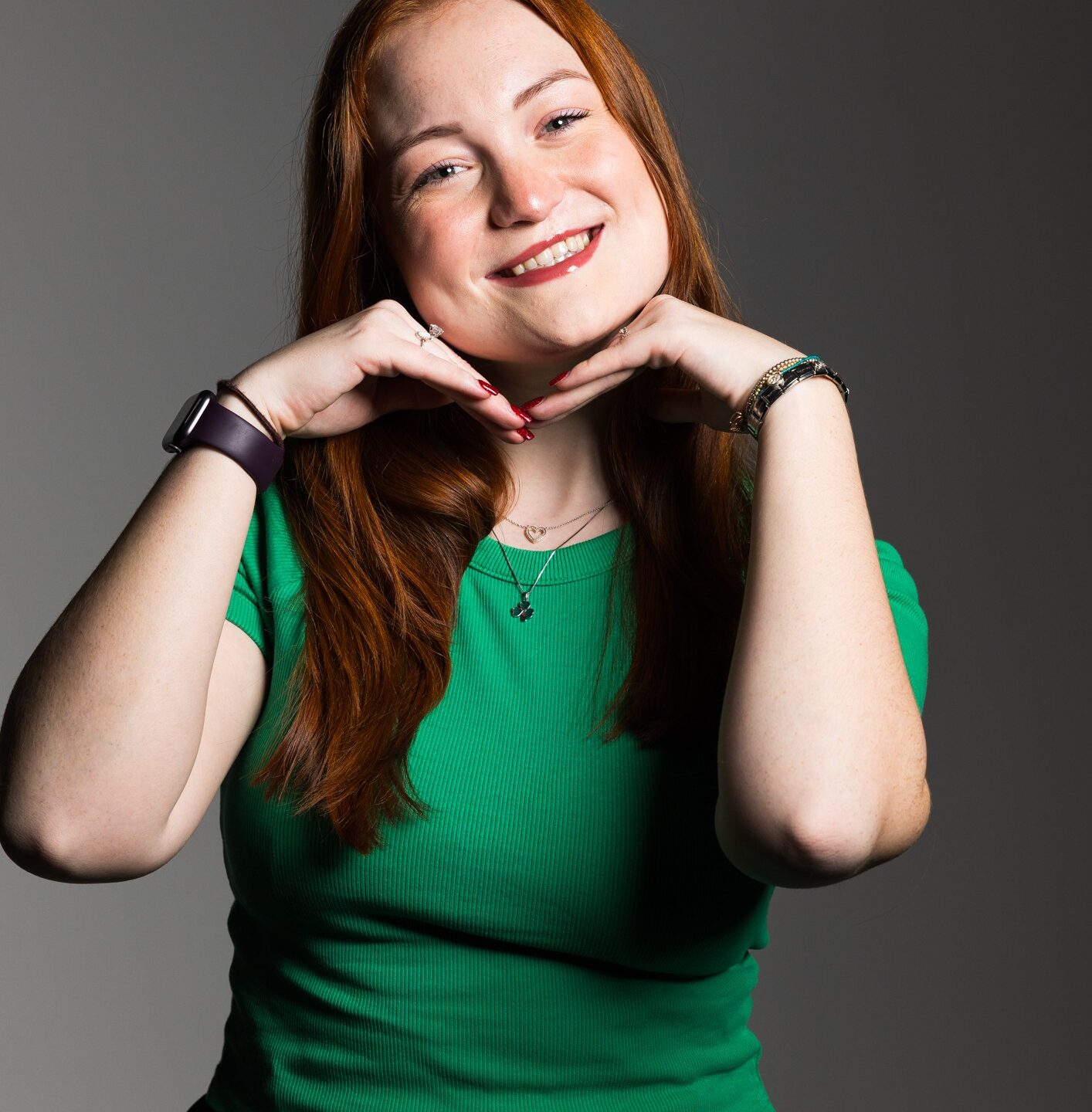
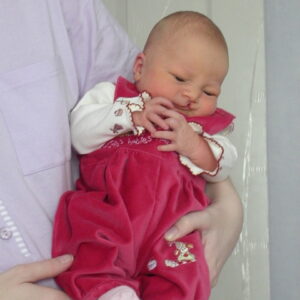
Lucy, aged 22, was born with a unilateral cleft lip and palate, and said connecting with other young people through CLAPA was the thing that helped her the most with her cleft journey.
She said: “One in 700 people are born with a cleft, which is a lot of people. But in your day-to-day life, it’s only really ever you. On a daily basis, I never see anyone else with a cleft, and that can make me feel really isolated.
“Having a cleft, going through all the hospital treatments, putting up with snide remarks from people about your appearance, and processing it all can be really difficult. You really need others around you going through the same thing, and that’s what CLAPA so brilliantly provides for us – it’s what’s helped me the most through my journey with cleft.”
Lucy, who’s just completed a competitive BBC project management apprenticeship, is a huge advocate for our charity. She’s a former active member of the Young People’s Council, and now volunteers with our young people. She also speaks about her cleft journey at medical conferences.
CLAPA’s literally been a link through my whole life.
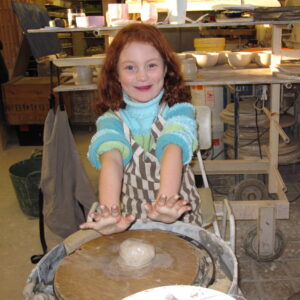
She smiled: “CLAPA’s literally been a link through my whole life – from the feeding bottles they gave my mum when I was a baby, to my voluntary work with young people and shouting about cleft and CLAPA as much as I can now.”
Lucy volunteers at our residential weekends and as a Cleft ++ mentor.
“I know how frustrating it can be, when you’re in your teens and so self-aware, and you realise you can’t change your appearance or do anything about it. That can be really hard to come to terms with.
“Certain themes constantly come up with young people, around physical appearance and low self-esteem, speech, and general anxiety around going to hospital appointments.
“My mentees say it really helps them to hear about my experiences, share their own, and grow in comfort and confidence in a really friendly and informal way.”
Although Lucy enjoyed her hospital visits, including the ‘post-appointment M&S sandwiches’ with her mum, she acknowledges that, for many, it can be a traumatic experience.
“ People think cleft is just about what your face looks like. The scar people see is the tiniest part of this whole journey – the constant medical care, operations, speech therapy, orthodontic treatment etc that feel like it goes on forever.
“I actually enjoyed going to hospital – with so many appointments it became a second home, but I don’t think that’s normal! For most people it can be quite a scary environment.”
Lucy said being part of the CLAPA community “means the world” to her.
The most important thing by far for any young person with a cleft is seeing other people with cleft.
“The most important thing by far for any young person with a cleft is seeing other people with cleft, and CLAPA provides so many opportunities for connection – through virtual and in-person events, and all the social media channels.
“I genuinely cannot put into words how much of an impact meeting other young people, all with cleft stories like mine, made to my life.
“Knowing there are other people with a cleft is just a game changer. It really is. It’s so important. It’s the most vital thing. Seeing all those other faces, and realising it’s not just you in the world, means everything.”

I genuinely cannot put into words how much of an impact meeting other young people, all with cleft stories like mine, made to my life.