What is self-advocacy?
Parents and Carers become advocates from the moment they begin navigating their child’s cleft journey. From healthcare appointments and treatment decisions, to nursery, school, friendships, and everyday conversations – you are advocating.
As a parent, you know your child better than anyone. Self-advocacy is about making sure your child’s needs, wishes and feelings are heard, understood, and respected. This might mean asking questions, seeking clearer information, sharing what you know about your child, or asking for the right support.
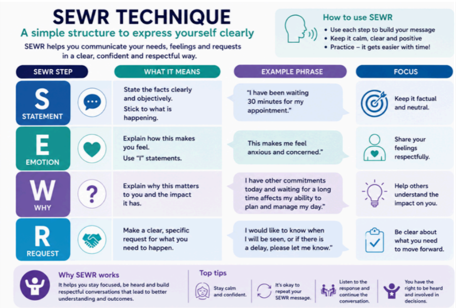
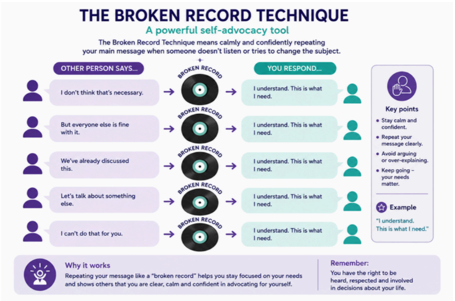
We’ve worked with self-advocacy charity Vital Projects to share simple techniques to help you feel more confident speaking up for your child.
As your child grows, you can also help them to ask questions, express how they feel, and have a say in decisions about their care and wellbeing. “You don’t have to know all the answers. Asking questions and ensuring your child’s voice is heard are important parts of being an effective advocate.”
The journey to self-advocacy
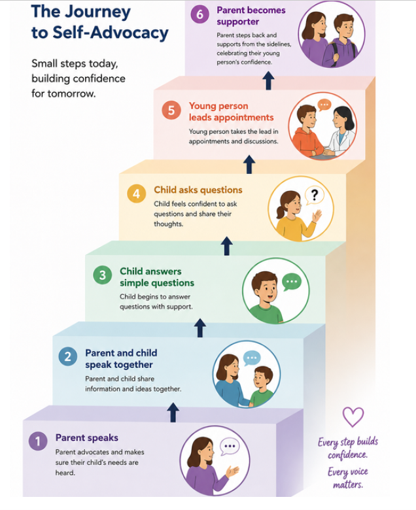
- Parent speaks: Parent advocates and makes sure their child’s needs are heard
- Parent and child speak together: Parent and child share information and ideas together
- Child answers simple questions: Child begins to answer questions with support
- Child asks questions: Child feels confident to ask questions and share their thoughts
- Young person leads appointments: Young person takes the lead in appointments and discussions
- Parent becomes supporter: Parent steps back and supports from the sidelines, celebrating their young person’s confidence