

Gemma’s story
Gemma shares how being a part of CLAPA’s Young Adults Group has helped her confidence and self-image.
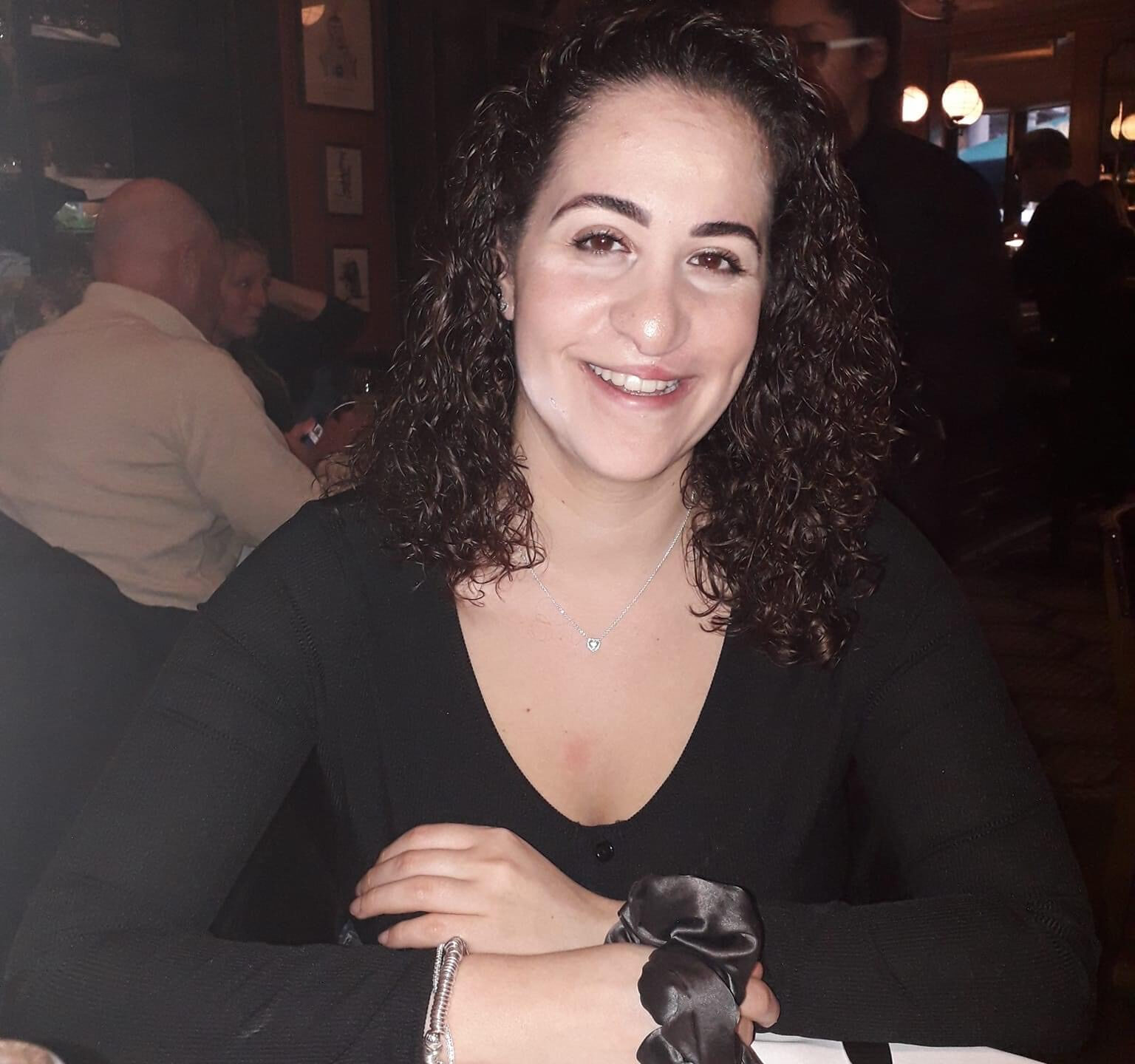
“Having a cleft makes you less confident, and then you've got to be more confident because of your appearance. It’s difficult.”
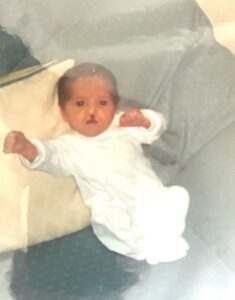
Gemma’s a member of CLAPA’s Young Adults Group – an online forum of 18 to 25-year-olds who meet regularly to discuss CLAPA’s services and experiences of cleft.
The 24-year-old dental nurse, who was born with a unilateral cleft lip, said the group has helped her confidence and self-image.
“It’s really great to speak to others my own age, who’ve gone through the same issues growing up and are starting to access CLAPA’s adult services.”
Having cleft has definitely made me more self-conscious, and my life a bit harder, so it’s good to talk to others in the same situation.
Gemma said she started to feel self-conscious about her cleft at secondary school.
“I never had any major issues as such, but there were times when people made comments and asked questions, which made me feel very uncomfortable and self-conscious.
“Taking photos, especially selfies, was the worst thing – as they can really highlight facial features.
“If I didn’t get a good angle, and my side profile was highlighted, I hated seeing them. I was unhappy with how I looked.”
Gemma had jaw surgery with the NHS cleft team aged 19, and said it “made a huge difference”.
“It’s something I’ll never regret doing. It made my face look more symmetrical and really helped my confidence. I was off work for quite a bit recovering but it was worth it.
“I’m so much happier with photos now. I don’t like looking back over old pictures, it makes me cringe.”
Gemma said she’s still very aware of her appearance when people take photos.
“If you don’t like what you look like in the picture, but everyone else does, then it becomes difficult. Especially for people sharing photos on social media.
“It’s more with family than friends, because friends my age take lots of pictures and we can choose the best. Family usually take just one or two then post it on Facebook.”
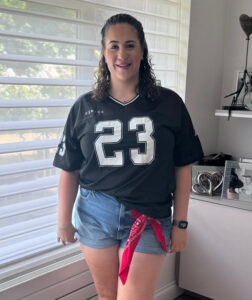
Gemma said being born with a cleft means, “you really have to work on yourself. It’s not something that just happens.
“If you’re a confident person, then maybe you have no worries. But obviously having the cleft makes it harder to be confident.
“Having a cleft makes you less confident, and then you’ve got to be more confident because of your appearance. It’s difficult.
“I’m better now, but there’s still a part of me that will always be a little insecure because of my cleft features.”
Gemma said speaking to friends and family, and the CLAPA group, has helped her develop a more positive self-image.
“I think it’s especially hard for girls, because we care so much more about what we look like, and there’s always a specific look or body image that everyone wants.
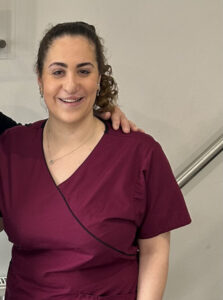
“If you’ve got a cleft, it’s obviously a lot harder because your face is constantly on show. It’s not like you can hide it.
“And I’ve found piling more makeup on can actually make it look worse.”
Gemma said she’s met others with cleft in her job as a dental nurse.
“There’s not been many, but it’s always nice to meet people with clefts and you realise straight away – having a cleft means you notice it more than anyone else.
I’m very open about my cleft journey in general now. It’s great to be able to share stories, and that’s been a really positive part of being with CLAPA.
“I’m often joining in discussions on CLAPA’s Facebook group, sharing experiences and comments.
“It really helps seeing others with cleft on Facebook, the CLAPA website, and in the online groups. In the Young Adults Group, we all agree this is a big factor in developing our confidence and positive self-image.”
Gemma shares how being a part of CLAPA’s Young Adults Group has helped her confidence and self-image.
Julia discusses the positive impact of finding CLAPA and returning to cleft care as an adult.
Firefighter Rich recently shared his story of growing up with a cleft in CLAPA’s latest Cleft Youth Magazine.