
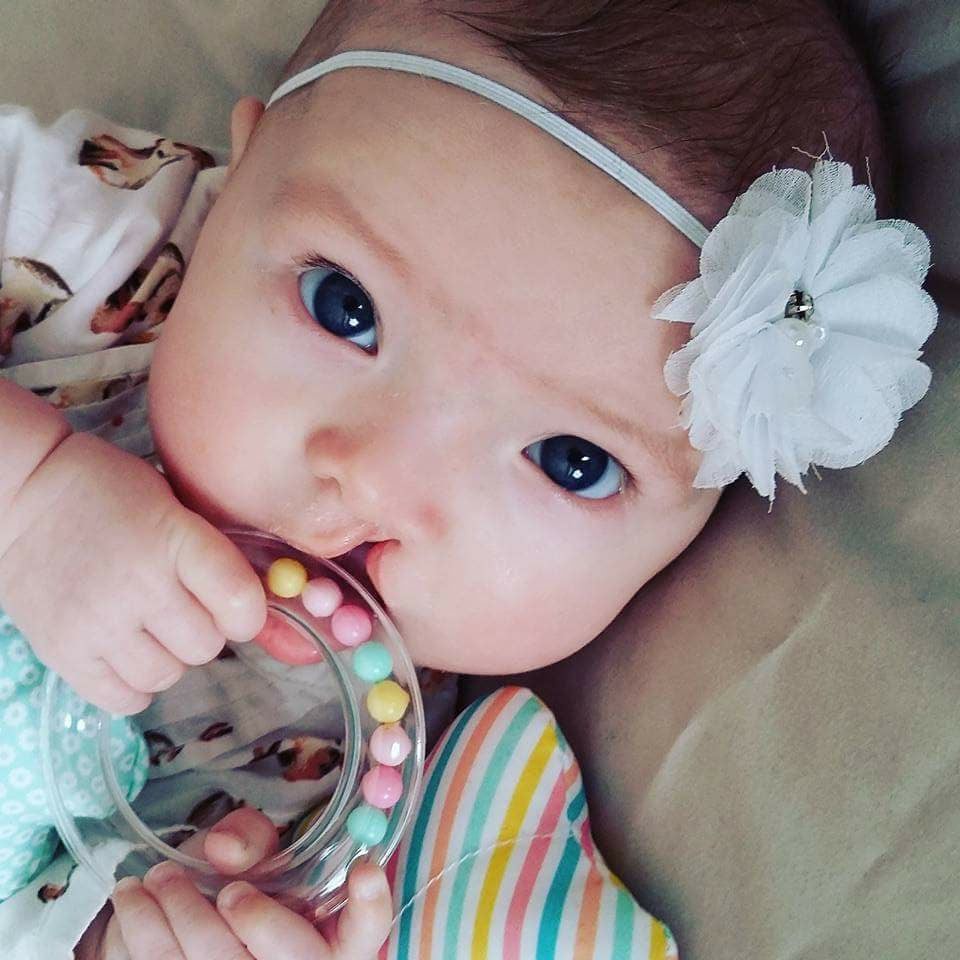
The Cleft Collective is a UK-wide cohort study investigating the causes of cleft, the best treatments for cleft and the long-term wellbeing of those affected by cleft.
The Cleft Collective is recruiting families of children born with cleft across the UK. Ask your cleft centre if you want to be involved.
Video: About the Cleft Collective
About the Cleft Collective Study
The Cleft Collective Cohort Studies
A ‘cohort study’ is a research project which follows a group of individuals over time. The Cleft Collective recruits families who have had a baby with a cleft and asks them to fill in questionnaires as their child grows up.
Families from all over the UK are being invited to participate in The Cleft Collective Cohort Studies. Cleft teams will invite eligible families to take part either before or after the birth of their child, or when their child attends their five-year review clinic. Families will be asked to provide biological samples (such as saliva) and to complete questionnaires at key points during their child’s development. They will also seek permission to access the families’ medical and educational records, and invite them to take part in additional studies, including a Speech and Language study.
Although the research team is based in Bristol, families from across the UK will be invited to participate in the studies. The Cleft Collective are extremely grateful to all of the families who are already taking part in this important research, and to the NHS cleft teams.
Get involved with the Cleft Collective
Taking part in the research
If this does not apply to you, there are still many ways you can become involved in The Cleft Collective research programme.
Sub-studies
The Cleft Collective often run smaller studies to find out more about a particular group of people or a specific topic. If you are in the main Cleft Collective study, you can choose to be contacted about these.
Patient and Public Involvement (PPI)
You can also become involved in the research process itself. For example, you can help us to choose the most important research questions, as well as help us to shape the future of the study. This ensures that the research we are carrying out is appropriate and relevant and will make a real difference to people affected by cleft.
To learn more about this group, contact CLAPA Involvement Manager Gillian McCarthy at [email protected].
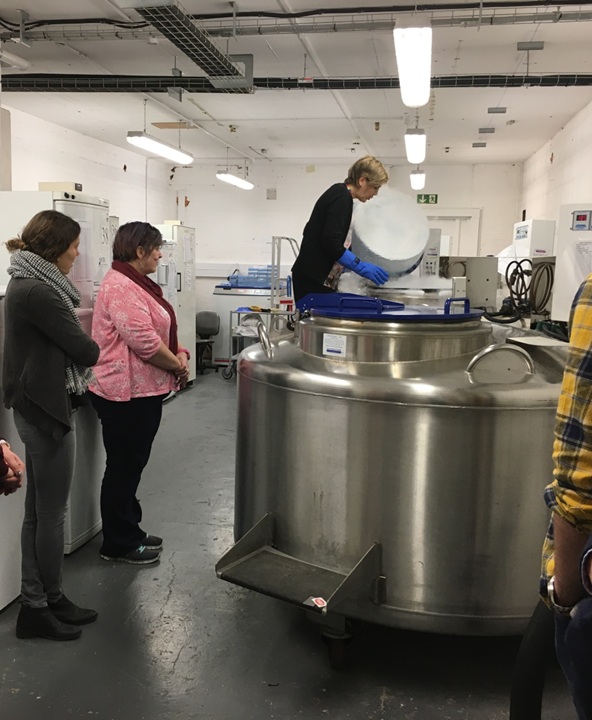
A visit to the Cleft Collective's labs
Cleft Image Bank
The Cleft Collective collects photographs of families, young people and adults who have been affected by cleft, to give a real-life feel to their work. They use these photographs in conference presentations, on their website and in all of their materials. Thank you to everyone who has already sent their photographs to the Cleft Collective and spotted their children in the media!
If you would like to contribute, please email: [email protected]
Mailing list
The Cleft Collective sends out newsletters twice a year to everyone on their mailing list. These include updates on the progress of the project, reports on latest research findings and opportunities to take part in studies and activities. Read their latest newsletters.
To join the mailing list email: [email protected]
Collaboration
The Cleft Collective provide a detailed observational resource for researchers, health professionals and students to research the environmental and genetic determinants of cleft lip and/or palate, and the outcomes for patients and families affected by cleft lip and/or palate.
We encourage collaborators from all disciplines across the world to apply to use the resource. More information can be found here.
Contact the Cleft Collective directly by emailing: [email protected] to discuss your research question further as the team is there to support you in any way they can. Where appropriate, they may also be able to discuss the potential of setting up a nested study with you, where new data is collected on a subsample of the cohort.