
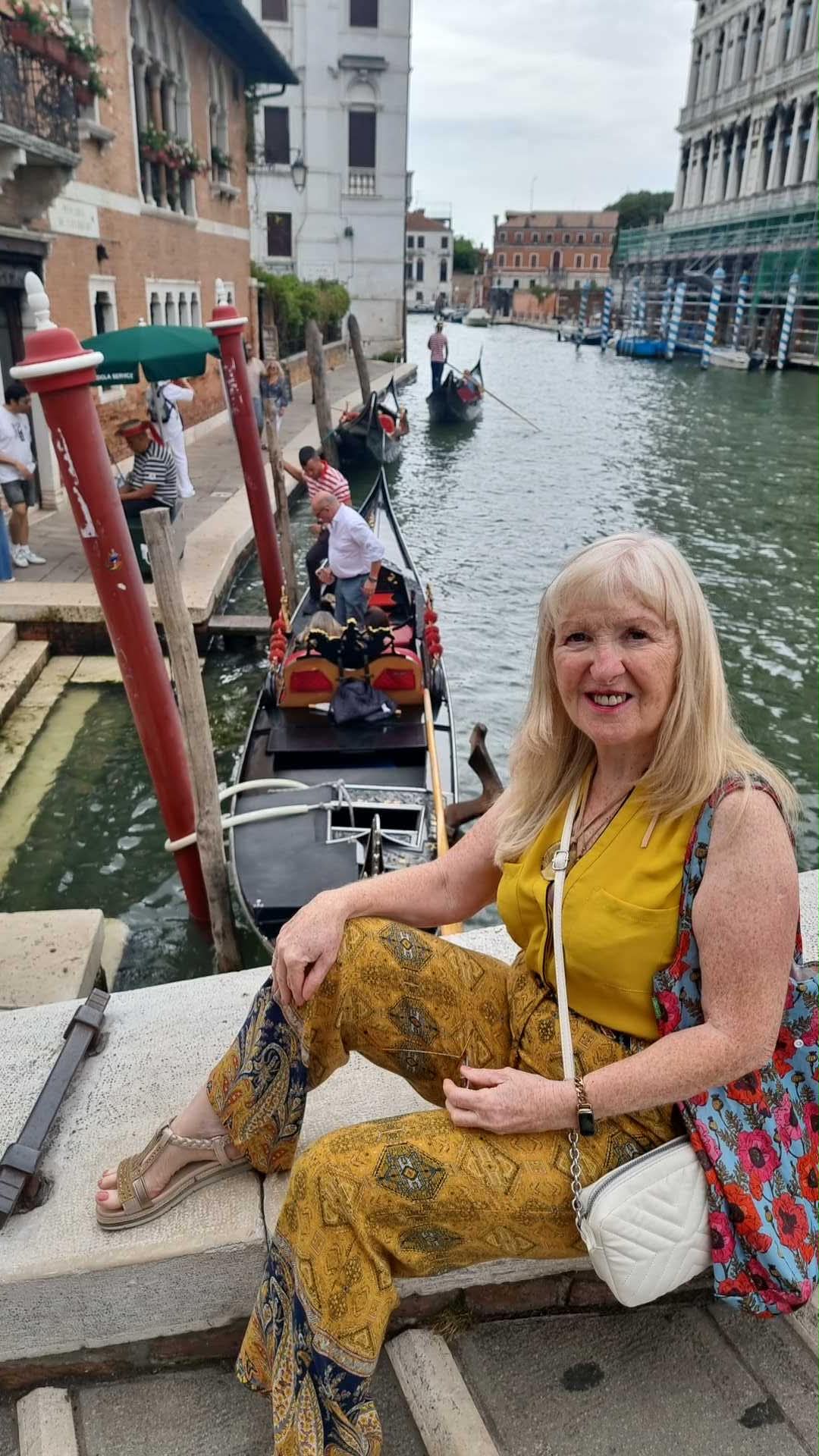
Meet Mary, CLAPA Peer Support Volunteer
After spending more than 60 years without meeting another person with a cleft, Mary now volunteers as a CLAPA Peer Supporter, helping others feel understood, informed and less alone.
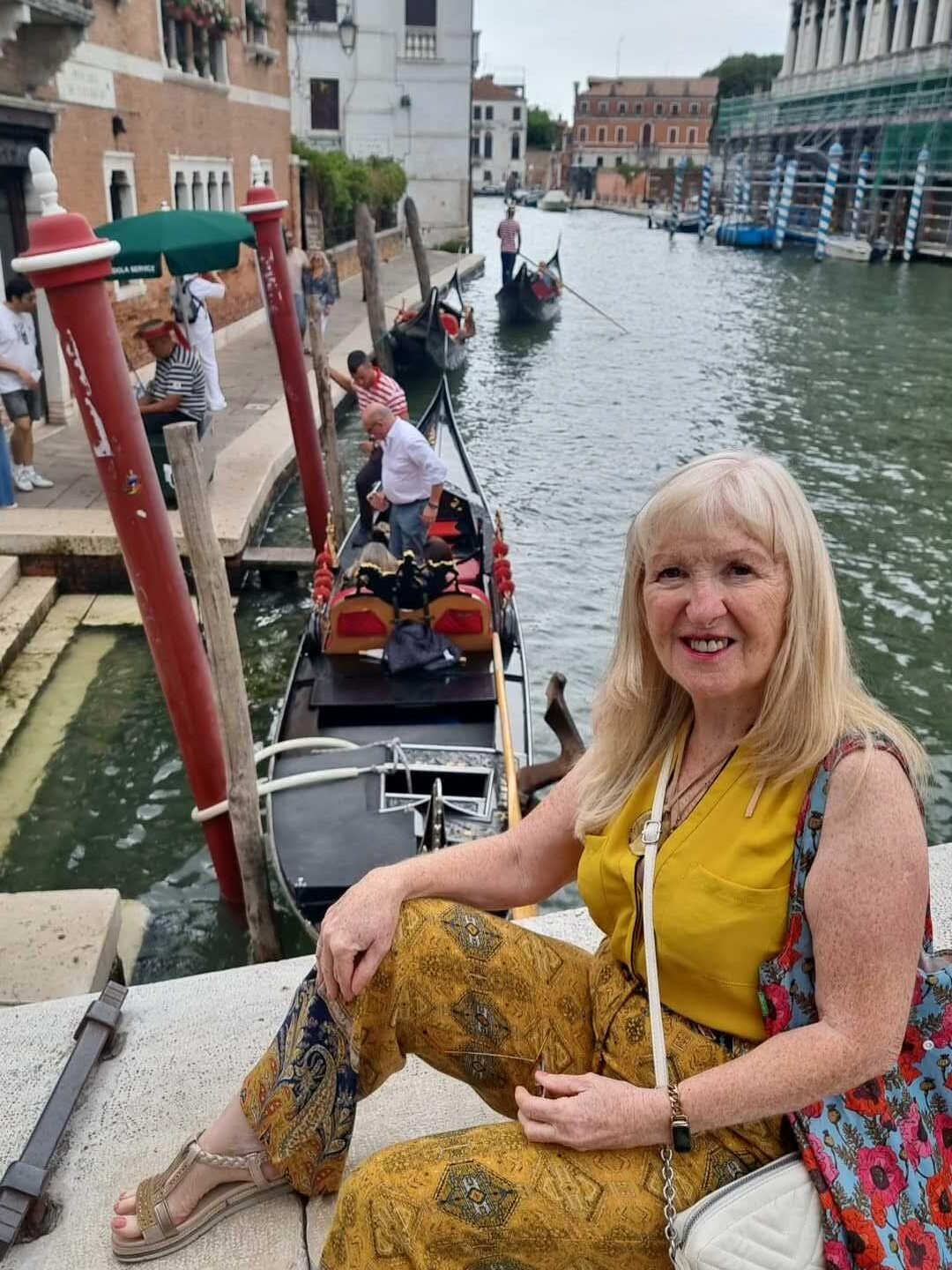
After spending more than 60 years without meeting another person with a cleft, Mary now volunteers as a CLAPA Peer Supporter, helping others feel understood, informed and less alone.
As a peer supporter, Mary’s role is not to provide professional advice or solve people’s problems. Instead, she offers something equally valuable: understanding, reassurance and a listening ear from someone who has walked a similar path.
Sometimes people just want someone else to talk to who was born with a cleft.
For much of her life, Mary never spoke to another person born with a cleft.
“The first person I ever spoke to who had a cleft was when I joined CLAPA. I was 61.” she says.
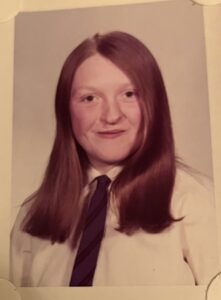
Born in Glasgow in 1958 with a unilateral cleft lip and palate, Mary underwent around 15 operations throughout her childhood and teenage years.
“I got to the stage where I thought, ‘I’m happy with how I am and I’m done,’” she says.
While she chose not to pursue any further surgery, living with a cleft continued to shape parts of her life. Dental treatment remained an ongoing challenge, and she worked hard to build confidence in her speech. Encouraged by her mother, she attended public speaking classes after school.
“I’ll never have perfect speech,” she says. “I just wanted to be clearer.”
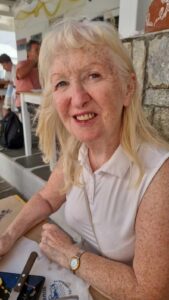 Despite the challenges, Mary built a successful career, got married and created a life she is proud of. Yet, like many adults affected by cleft, she rarely had opportunities to talk about her experiences with people who truly understood.
“In a lot of ways, you put it in a cupboard and get on with your life,” she explains. “You don’t want it to become the main focus of who you are.”
Things changed when she joined CLAPA around seven years ago. One of the main reasons was to become a peer supporter. She wanted to use her experiences to help other adults who may be struggling with the long-term challenges of having a cleft.
Joining CLAPA also helped Mary discover information she had never known before. Through the charity she learned about referral pathways for specialist cleft-related dental care, something that has helped her access treatment through the John Radcliffe Hospital in Oxford.
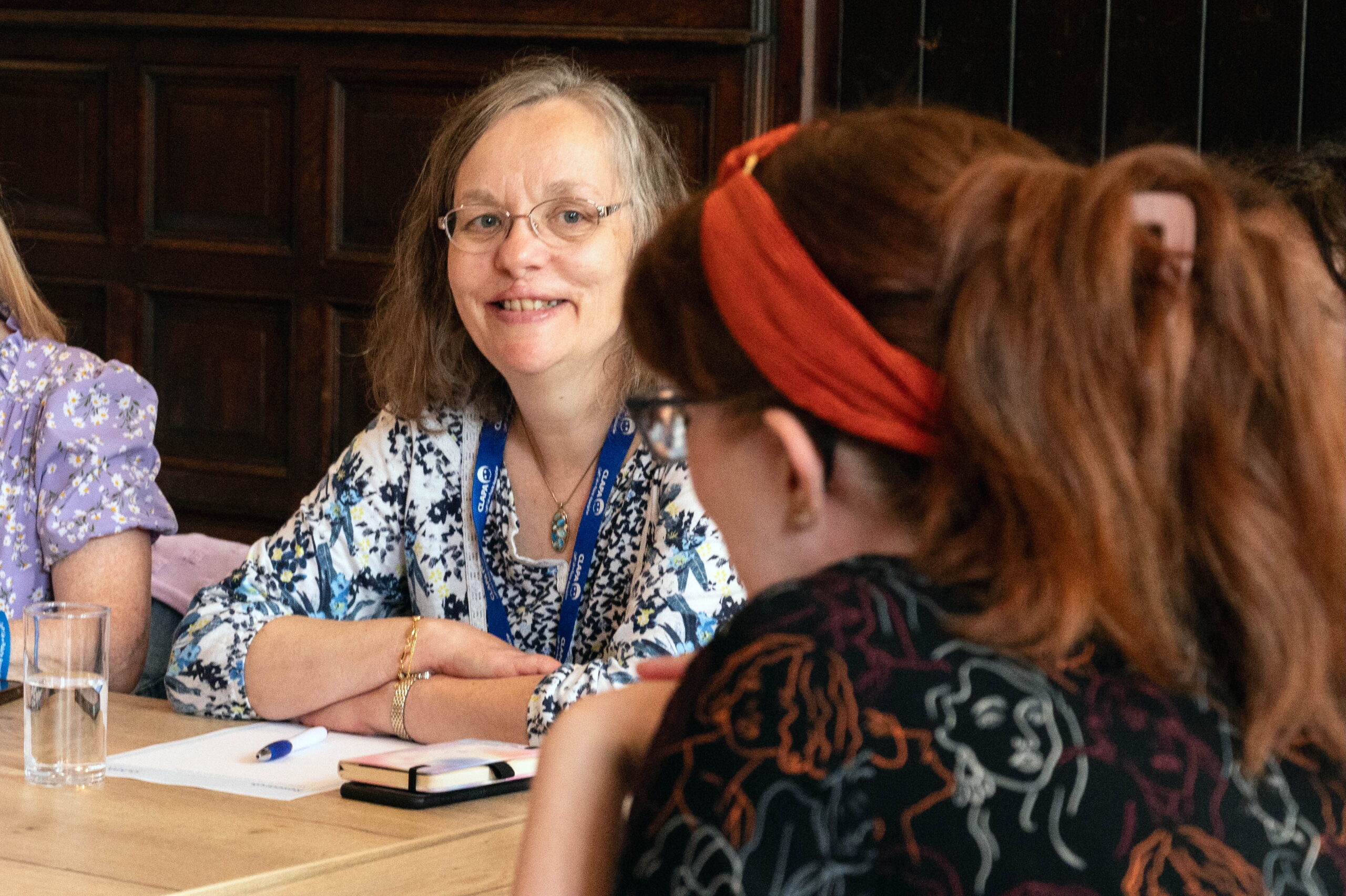
“It was a real bonus getting that knowledge,” she says. “That’s what CLAPA does so well. It informs people and signposts them to where they can get help.”
As well as becoming a peer supporter, Mary has been involved in CLAPA’s Adult Voices groups and Adult Lounges, connecting with other adults affected by cleft and sharing experiences. Through these groups and one-to-one peer support conversations, Mary has seen firsthand how important it is for adults to know they’re not alone.
“There must be thousands of adults out there who are still struggling socially, at work or with relationships,” she says. “A lot of people think that once you’ve had your operations, you’re fixed. But that’s not the reality.”
Mary points out that many adults continue to navigate issues relating to dental treatment, hearing, speech, breathing and emotional wellbeing long after childhood treatment ends.
“It’s a lifetime of challenges,” she explains. “My feeling is that I want to help people cope with those challenges and signpost them to help that might be available.”
CLAPA’s Peer Support Service matches people with trained volunteers based on their experiences and the type of support they are looking for. After completing a request form, a peer supporter will get in touch by email, text, phone or video call, depending on the person’s preferences. Some people only need one conversation, while others may speak with a peer supporter several times, depending on their needs.
Mary says one of the most important things for people to know is that there is no pressure.
You can say as much or as little as you like. Everything is at your pace and on your terms.
Over the years, supporting others has also helped Mary reflect on her own experiences.
“When people share something very personal, you appreciate that because it’s hard to tell those stories,” she says. “I can’t perform miracles, but I can listen. Sometimes having somebody listen and say, ‘Yes, I’ve experienced that too,’ makes a huge difference.”
For Mary, peer support is ultimately about connection: creating a space where people can be heard, share experiences and discover support that is available.
If somebody’s thinking about peer support, then there’s obviously a need. The support is there however you want to use it.
For more information about the peer support service:
After spending more than 60 years without meeting another person with a cleft, Mary now volunteers as a CLAPA Peer Supporter, helping others feel understood, informed and less alone.

Gemma shares how being a part of CLAPA’s Young Adults Group has helped her confidence and self-image.
Julia discusses the positive impact of finding CLAPA and returning to cleft care as an adult.